
You don’t need acres of land to enjoy fresh vegetables straight from your own garden.
Whether you’re working with a spacious backyard or a tiny balcony, there are countless creative ways to grow your favorite veggies right at home.
Let’s explore these inspiring ideas that’ll help you create a beautiful and productive vegetable garden that fits your space perfectly.
01. Use Recycled Bricks to Define Your Garden Borders
Credit: Leila Melhado
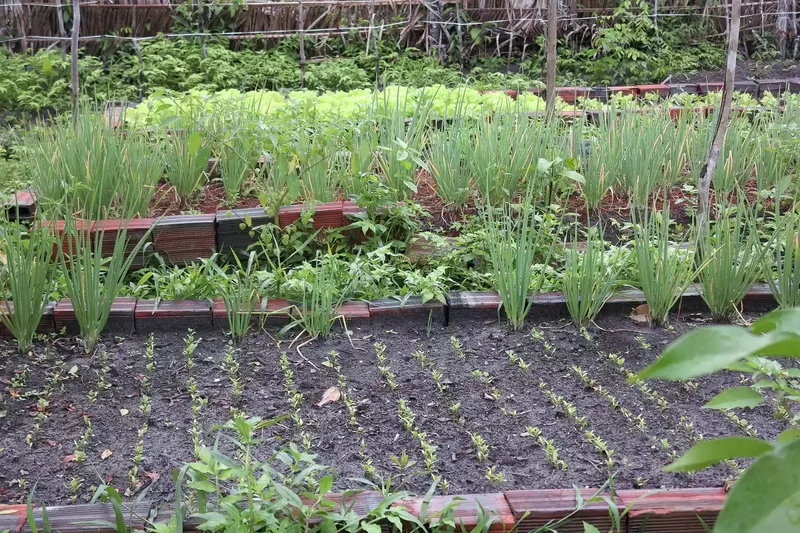
You’ll love how old bricks can transform your vegetable garden into something organized and charming.
Laying them flat or partially buried creates clean, defined edges that make weeding and harvesting so much easier. Plus, this budget-friendly approach gives you that classic garden aesthetic without spending a fortune on new materials.
02. Build Your Own Garden Workstation With Shelving
Credit: linephoto
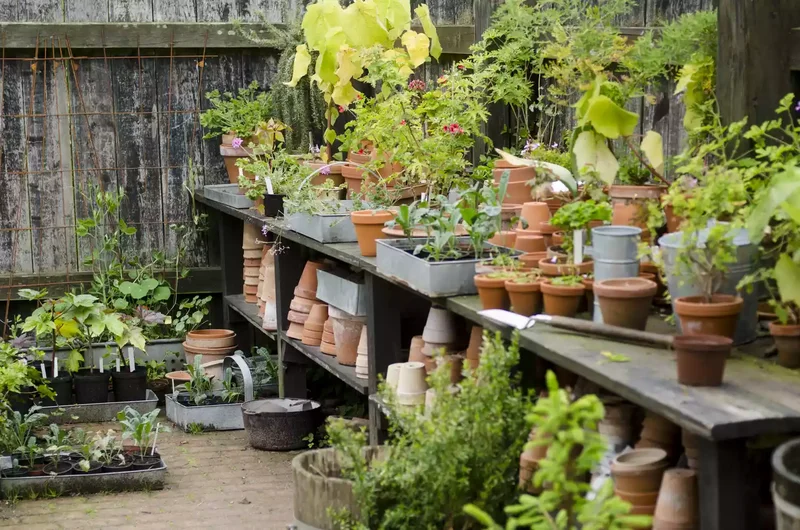
You deserve a dedicated workspace right in your garden where everything you need is within arm’s reach.
Wooden shelves or repurposed crates create perfect storage for your pots, soil, tools, and gloves. No more running back and forth to the garage when you’re in the middle of planting!
03. Add Gravel Walkways Between Your Raised Beds
Credit: PaulMaguire
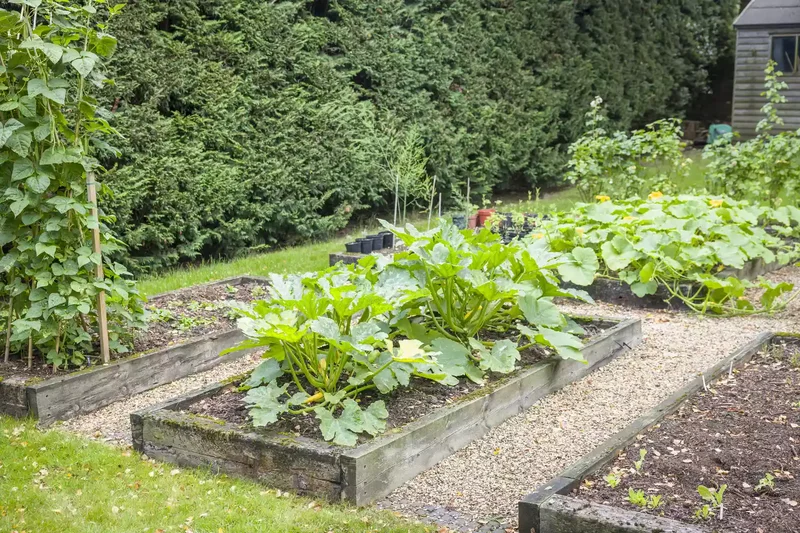
Gravel paths make your garden look polished while keeping your feet clean and dry during watering sessions.
Unlike mulch that needs yearly replacement and turns muddy, gravel provides excellent drainage and stays put season after season. You’ll appreciate how much easier it makes moving around your garden beds.
04. Mix Different Vegetables in Metal Raised Beds
Credit: Joanne Dale
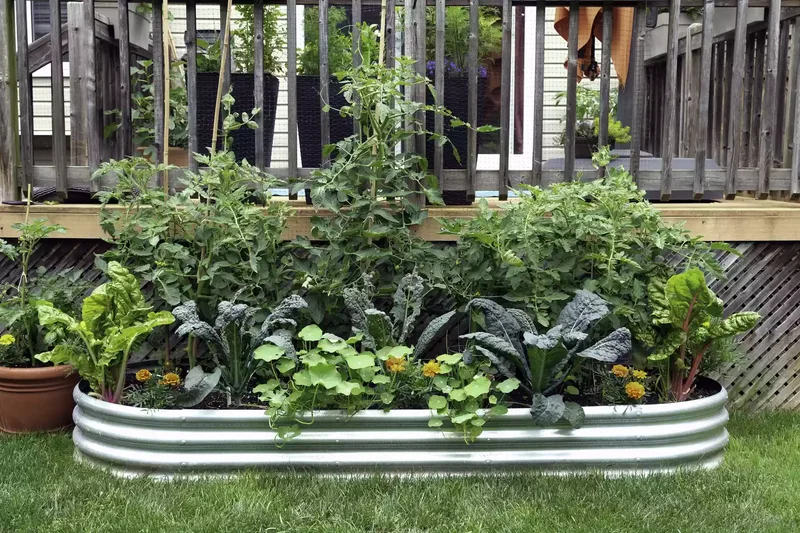
Metal raised beds are incredibly durable and give your garden a modern, sleek appearance that lasts for years.
Plant your taller veggies like tomatoes toward the back with stakes for support, then add smaller plants like lettuce and herbs in front. This layering technique maximizes your growing space beautifully.
05. Attach Hanging Planters to Your Balcony Rails
Credit: HeikeRau
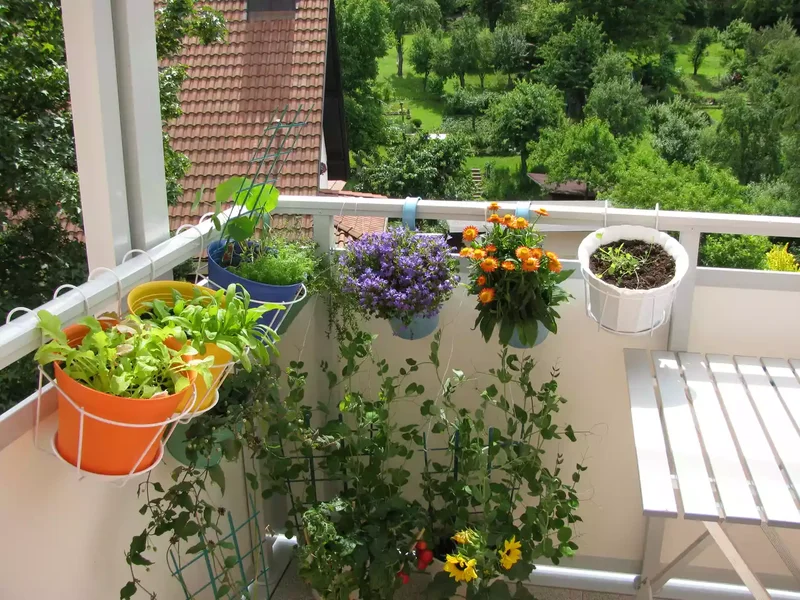
Your sunny balcony can become a thriving vegetable garden with some creative container placement.
Wire cages attached to railings hold pots perfectly and free up valuable floor space for seating. You’ll be amazed at how many greens and herbs you can grow in this vertical setup.
06. Install Chicken Wire Fencing Around Your Garden

Credit: YinYang
Protect your precious vegetables from hungry rabbits and woodchucks with an affordable chicken wire enclosure.
You can wrap it around simple stakes or create a more elaborate wooden frame depending on your needs. The small openings keep out most destructive pests while still looking neat and unobtrusive.
07. Border Your Beds With Stone Pavers
Credit: Prapak Aowsakorn
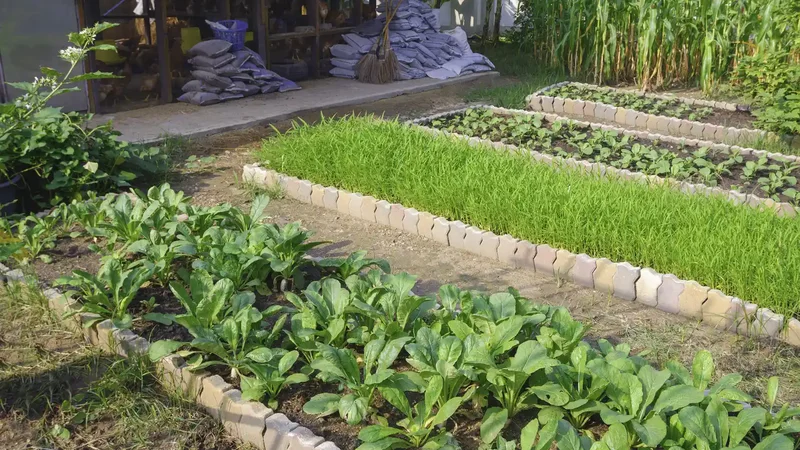
Stone pavers create beautiful, defined edges for your low-growing vegetables like lettuce, cabbage, and potatoes.
If your yard already has solid fencing, you won’t need additional support structures for these plants. Small pavers or recycled bricks add instant charm while keeping everything organized and tidy.
08. Choose Container Gardening for Ultimate Flexibility
Credit: eurobanks
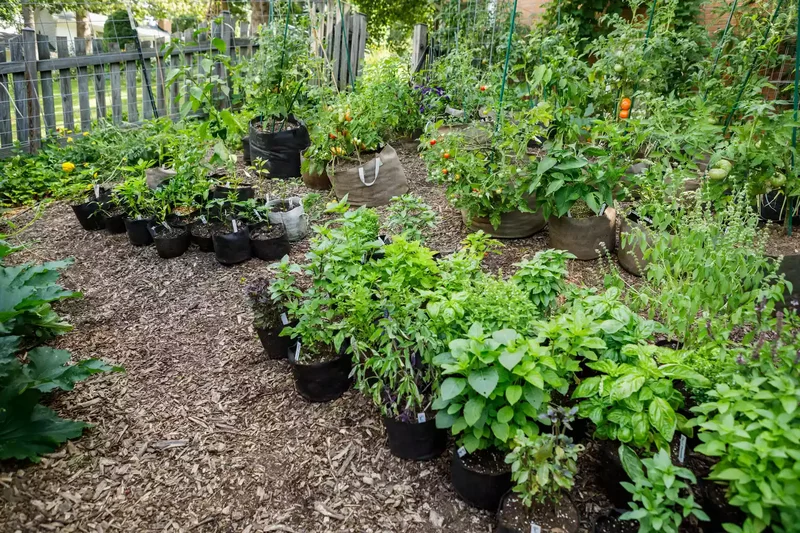
Containers give you complete freedom to rearrange your garden layout whenever you want a fresh look.
You’ll save tons of time on planting and weeding compared to traditional in-ground gardens. Plus, you can easily move them to follow the sun or store them away when winter arrives.
09. Repurpose Vintage Baskets as Herb Planters

Credit: gaffera
Old bushel baskets bring rustic charm to your garden while holding your herb containers perfectly.
They’re surprisingly durable through the growing season, just remember to store them dry during winter to preserve them longer. A quick vinegar spray and sun-drying works wonders if they get musty.
10. Try the Square Foot Gardening Method
Credit: Sherry Galey
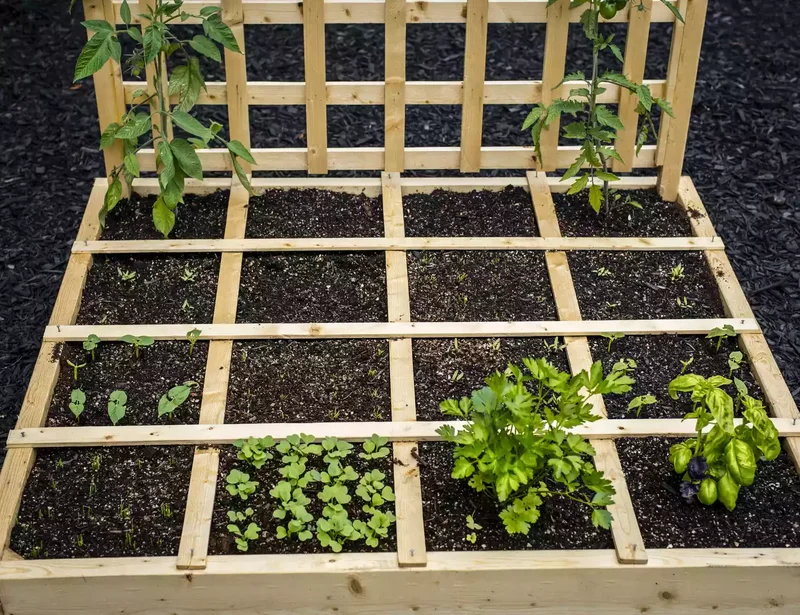
Square foot gardening helps you maximize every inch of your raised bed with organized, efficient planting sections.
This method works beautifully for small yards and balconies, but it’s also perfect for streamlining larger gardens. You’ll love how easy it makes planning and maintaining your vegetable crops.
11. Mix and Match Unique Container Styles

Credit: Elena Popova
Your vegetable garden doesn’t need to look cookie-cutter perfect with matching containers in straight rows.
Get creative with old furniture, wheelbarrows, or any container with good drainage that fits your plants. This eclectic approach adds personality and makes your garden uniquely yours.
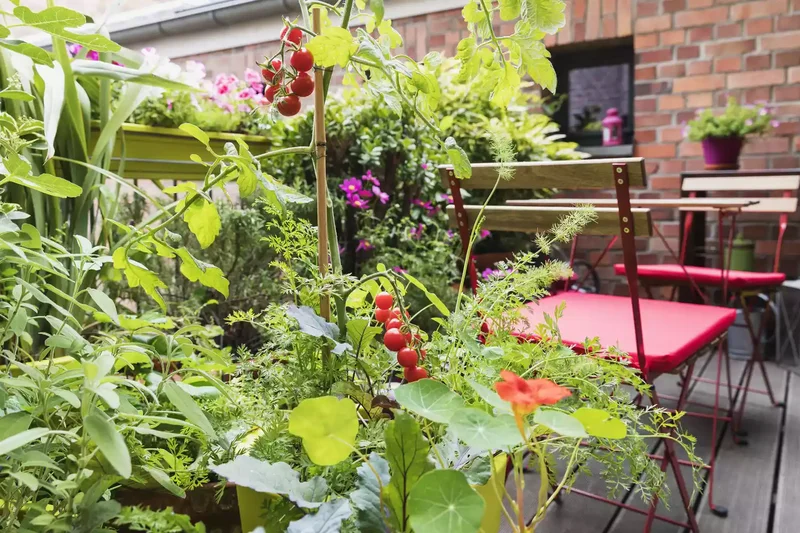
12. Transform Your Balcony Into a Garden Retreat
Credit: Westend61
Even a small balcony can become your personal vegetable oasis with thoughtful container arrangement.
Place pots around your seating area for privacy and add flowers for pops of color and fragrance. Using vertical growing techniques helps you make the absolute most of your limited space.
13. Build Garden Structures From Salvaged Wood

Credit: FrankvandenBergh
You can create beautiful fencing and garden enclosures for practically nothing using reclaimed lumber.
Salvaged wood from local rehab projects or construction sites gives your garden character while keeping costs incredibly low. Plus, you’re helping the environment by keeping materials out of landfills.
14. Plant Rows Strategically to Manage Sunlight

Credit: Maica
Position your tall sun-loving plants like tomatoes and corn where they’ll get maximum light throughout the day.
Use bean stakes and trellises to create partial shade for tender greens and herbs that prefer cooler conditions. Spend time observing your garden’s light patterns before finalizing your layout.
15. Incorporate Flowers for Beauty and Pest Control

Credit: U. J. Alexander
Flowers near your vegetables attract beneficial pollinators and insects that naturally keep harmful pests away.
Zinnias, cosmos, poppies, and nasturtiums add gorgeous color while supporting your garden’s ecosystem. You’ll love how the flower hues complement your vegetable plants beautifully.
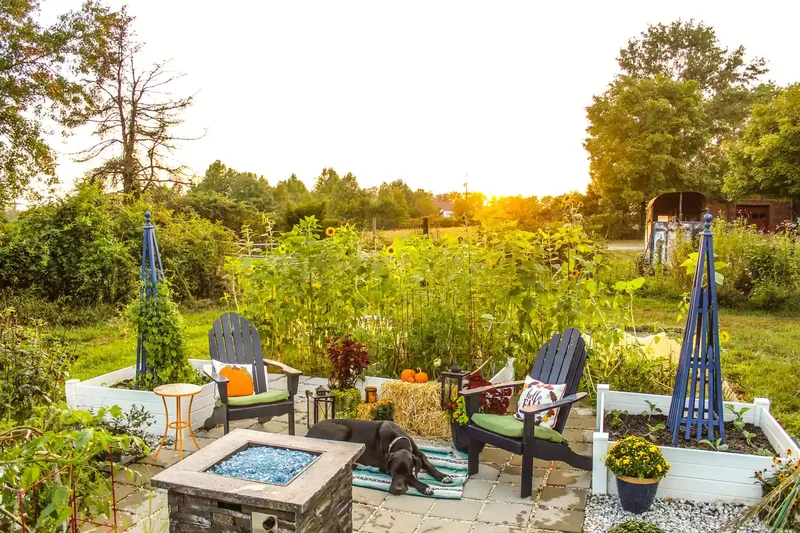
16. Create a Social Gathering Space Nearby
Credit: Jennifer Blount
Position seating near your garden so you can easily grab fresh vegetables and herbs for summer meals with guests.
A simple setup with containers or a small raised bed lets you entertain while showing off your homegrown produce. Your friends will be impressed by your garden-to-table lifestyle!
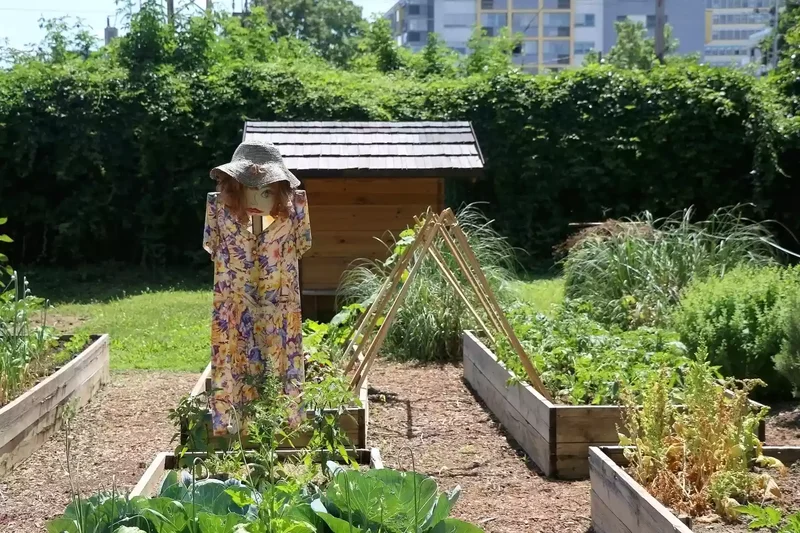
17. Put Up a Scarecrow for Pest Deterrence
Credit: Jelena990
Scarecrows aren’t just charming decorations, they actually help keep crows and other pests away from your vegetables.
Change your scarecrow’s outfit and hat every few weeks to keep clever crows guessing about whether it’s real. This old-fashioned trick still works surprisingly well when you keep it fresh.
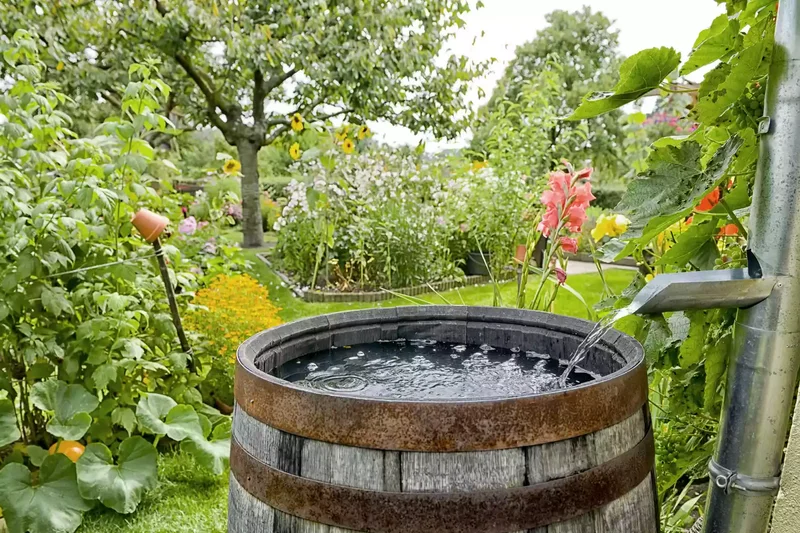
18. Install a Rain Barrel for Water Conservation
Credit: schulzie
Rain barrels are lifesavers during drought periods and essential if your garden is far from water sources.
You’ll find them in various styles from rustic wooden designs to modern plastic models that fit any aesthetic. Collecting rainwater helps the environment while keeping your water bills lower.
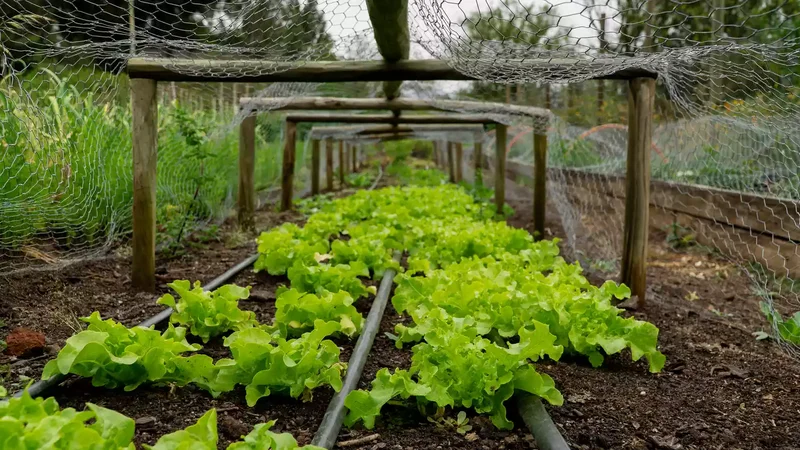
19. Protect Crops With Wire Cage Covers
Credit: Capturas E
Lightweight chicken wire cuts easily to size and creates effective protective cages over your vegetable beds.
Lay it over a simple wood frame and secure it with bricks or stones for instant pest protection. You can roll it up at season’s end for storage and reuse year after year.
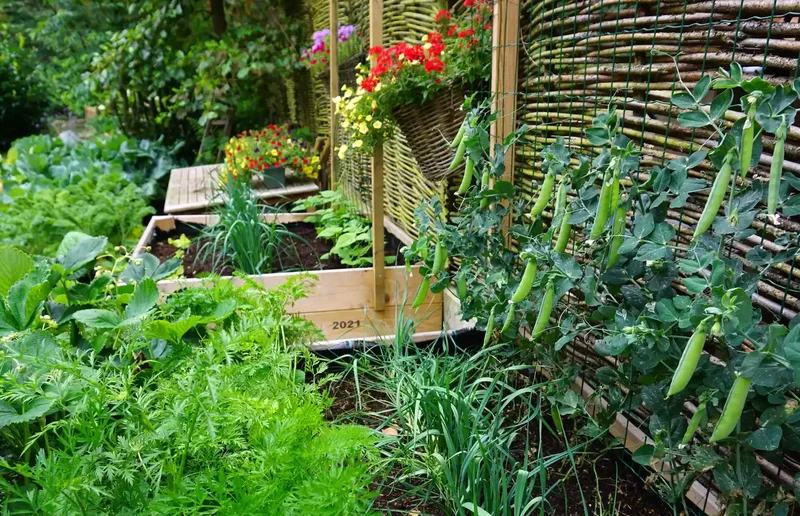
20. Grow Climbing Vegetables on Vertical Supports
Credit: L Feddes
Vining plants like beans, peas, and cucumbers create stunning vertical interest when given proper support structures.
Use existing fences or add bamboo stakes and trellises to maximize your growing space. You can even grow zucchini, summer squash, and miniature melons this way!
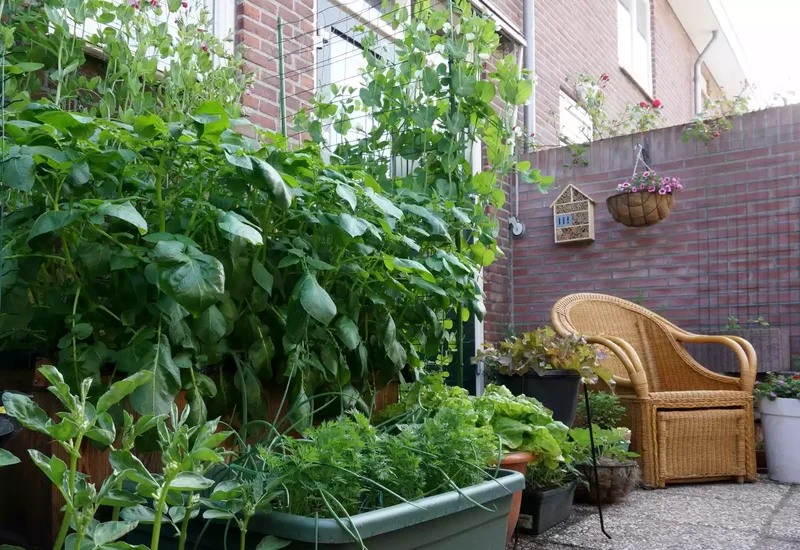
21. Design a Space-Saving Vertical Garden
Credit: L Feddes
Vertical gardens let you grow impressive amounts of food on sunny balconies and patios with limited floor space.
Simple trellises, bamboo stakes, and containers are all you need to grow tomatoes, beans, greens, and cucumbers upward. This efficient approach makes small-space gardening totally achievable.
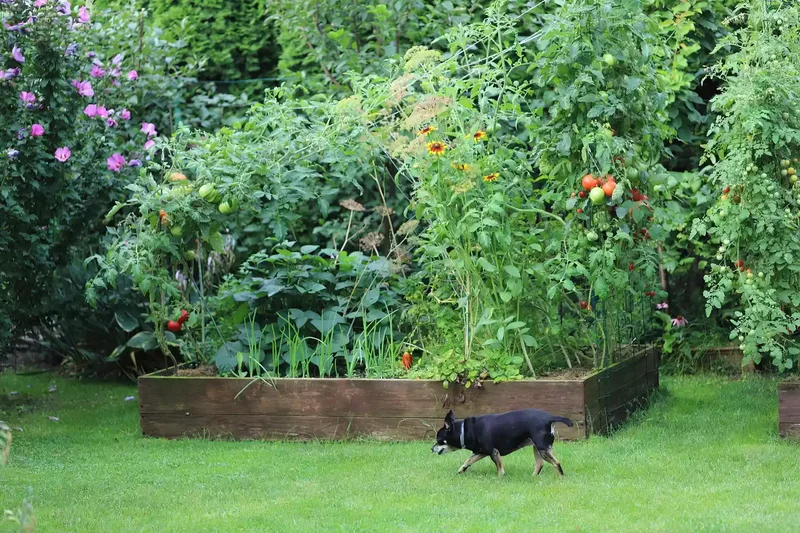
22. Pack Raised Beds With Diverse Plant Varieties
Credit: Tomasz Klejdysz
You’d be surprised how much food one raised bed can produce when you plan your plant combinations thoughtfully.
Place tall plants in the center or along one side, and position shade-tolerant greens where taller plants will protect them. Smart spacing means abundant harvests from compact areas.
23. Design a Relaxing Seating Nook
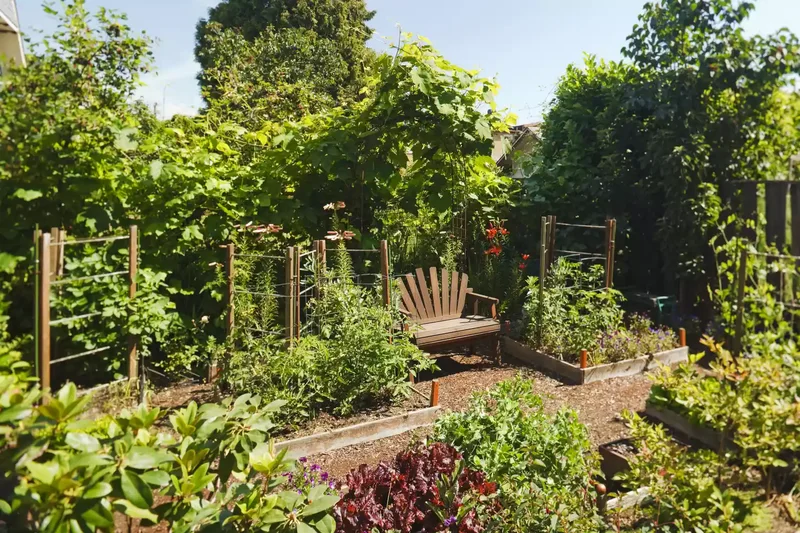
Credit: chuckcollier
Gardening is hard work, so you deserve a comfortable spot to rest and admire your beautiful outdoor space.
A vintage chair or teak bench with a small side table creates the perfect shady retreat. You’ll treasure these quiet moments surrounded by your thriving vegetables.
24. Organize Containers on Tables and Shelves
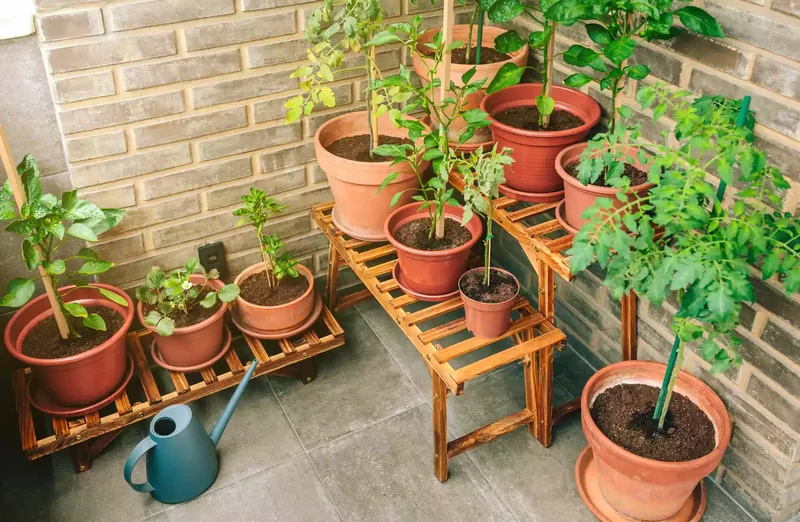
Credit: doble-d
Tables and shelving units help you maximize vertical space while keeping your small patio garden organized and accessible.
Place taller plants toward the back and arrange everything so you can easily water and weed. This thoughtful setup makes maintenance quick and keeps your space looking intentional.
25. Incorporate Natural Materials for Vertical Structure

Credit: cjp
Wood, wicker, and bamboo stakes add rustic charm while supporting your climbing vegetables beautifully.
These natural materials define your garden space and create visual interest beyond just the plants themselves. You’ll love how they bring warmth and texture to your growing area.
26. Install Low Curved Fencing Around Beds

Credit: Johner Images
Low decorative fencing contains weeds while creating attractive borders that make mulching paths much easier.
Flexible willow fencing offers wonderful rustic appeal and lasts for years with minimal maintenance. If you have wooded property, you can even craft your own fencing from saplings and fallen branches.
Final Thoughts
Creating your dream vegetable garden is totally achievable no matter what size space you’re working with.
These ideas prove you can grow abundant fresh produce whether you have a sprawling backyard or just a small balcony. Start with one or two concepts that excite you most and build from there.
Your homegrown vegetables will taste better than anything from the store, and you’ll love the satisfaction of nurturing your own food from seed to harvest.
