
You’re about to discover some truly innovative ways to transform your outdoor space with raised garden beds that go way beyond basic wooden boxes.
From repurposed industrial materials to clever DIY solutions, these creative designs will inspire you to create a garden that’s both beautiful and incredibly functional.
Whether you’re working with a tiny patio or a sprawling backyard, you’ll find ideas that fit your space, style, and budget perfectly.
01. Circular Culvert Pipe Planters
Credit: Cameron Sadeghpour
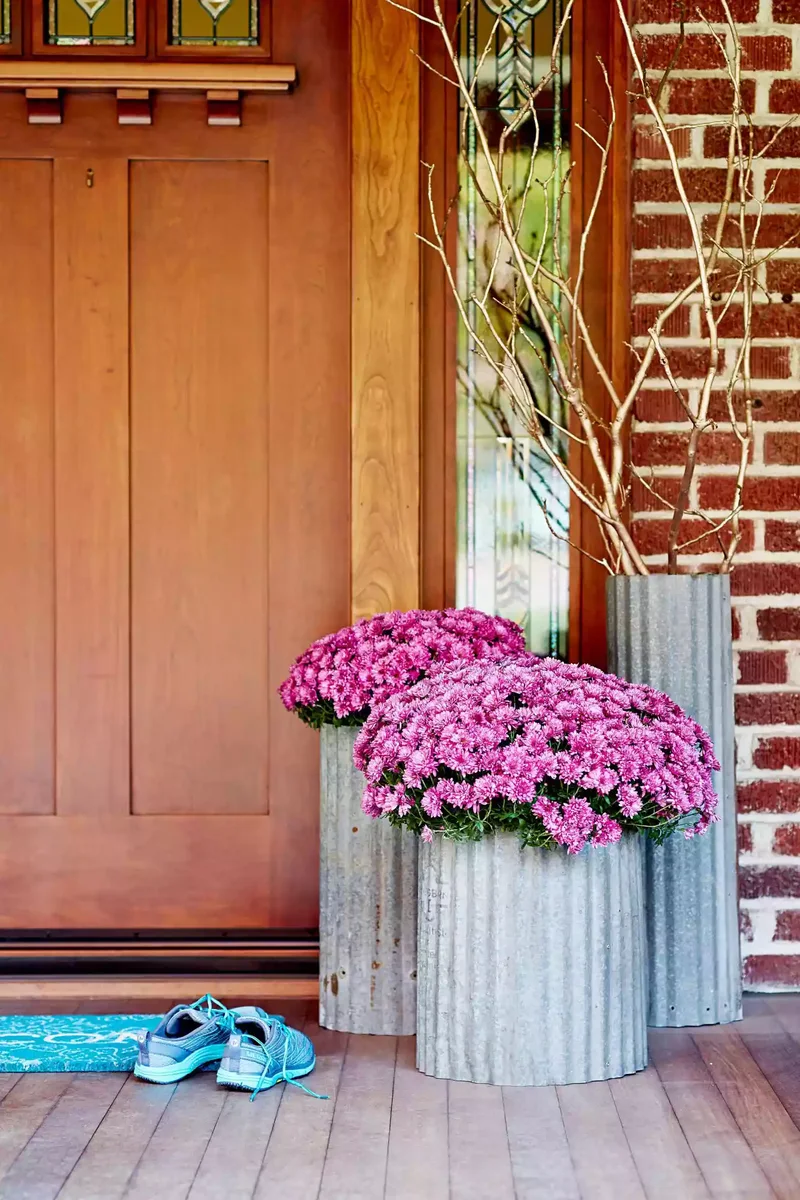
You can transform industrial culvert pipes into stunning circular raised beds that’ll make your neighbors do a double-take.
These metal or plastic pipes come in diameters ranging from 6 inches to 8 feet, and you can cut them to create multiple ring-shaped planters.
They’re surprisingly affordable and create a modern, architectural look that’s totally unique in residential gardens.
02. Vertical Growing with Trellis Systems
Credit: BethAmber
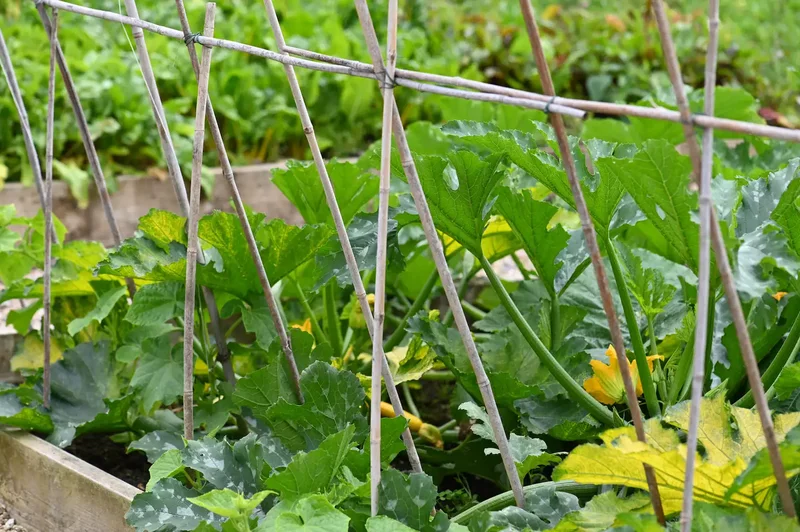
You’ll love how a simple arbor or trellis attached to your raised bed instantly doubles your growing space without expanding your footprint.
This setup makes harvesting vegetables like zucchini so much easier since everything grows upward instead of sprawling across the ground.
Just tie bamboo poles or dowels together to create your frame, and you’ve got yourself a productive vertical garden.
03. Natural Log and Stick Containers
Credit: Octavian Lazar
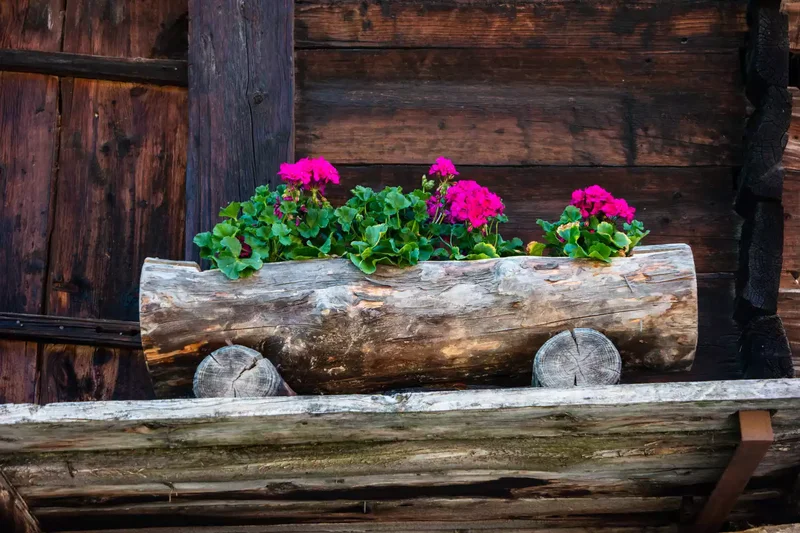
There’s something incredibly charming about raised beds made from freshly cut logs with their beautiful bark still intact.
You can weave sticks and twigs into decorative sheets to form the sides, or arrange them vertically around the perimeter for a rustic woodland feel.
This approach brings organic texture to your garden while creating a planter that looks like it grew there naturally.
04. Industrial Metal Trough Gardens
Credit: @lynnelambourne/ Instagram
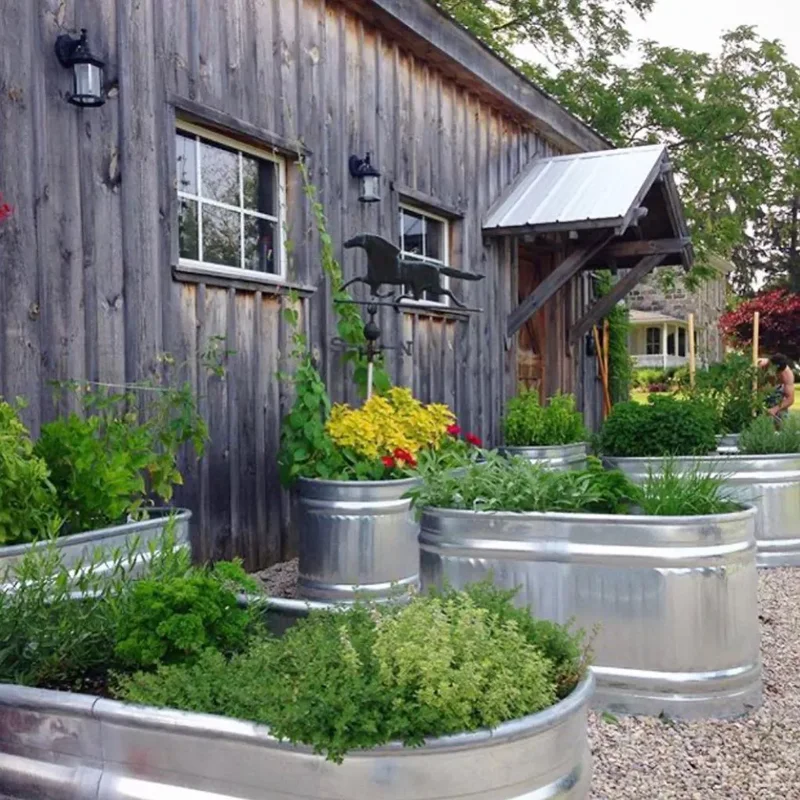
Animal feeding troughs make absolutely perfect instant raised beds with zero assembly required on your part.
Just drill drainage holes in the bottom, and you’re ready to fill them with soil and start planting immediately.
The metal conducts heat beautifully to warm your soil in spring, though you’ll want to water more frequently during summer’s hottest days.
05. Hollowed Tree Stump Planters
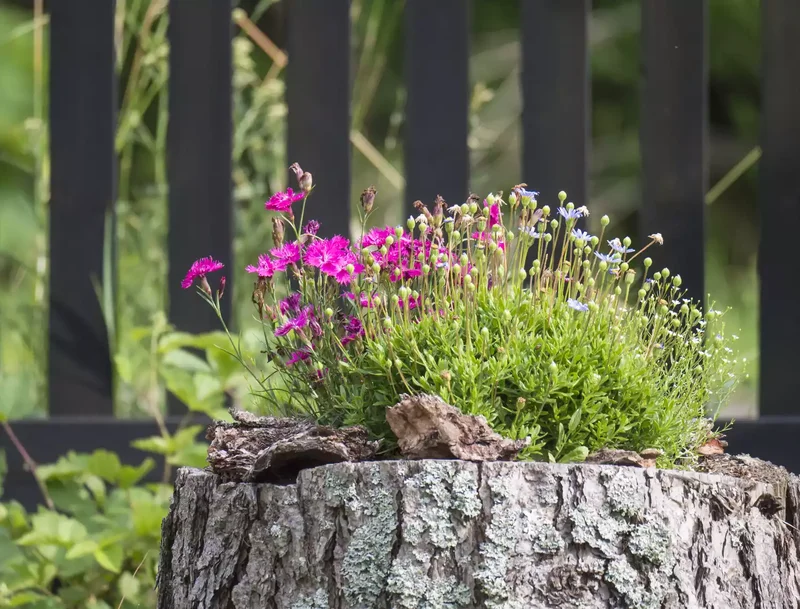
Credit: Kristyna Sindelkova
Before you remove that old tree stump, consider transforming it into a gorgeous raised planter that becomes a conversation piece.
Hollow out the center, add some gravel for drainage, then fill it with compost-enriched soil for growing flowers or herbs.
This creative solution gives new life to what would otherwise be an eyesore waiting to decompose over many years.
06. Protected Beds with Wire Enclosures
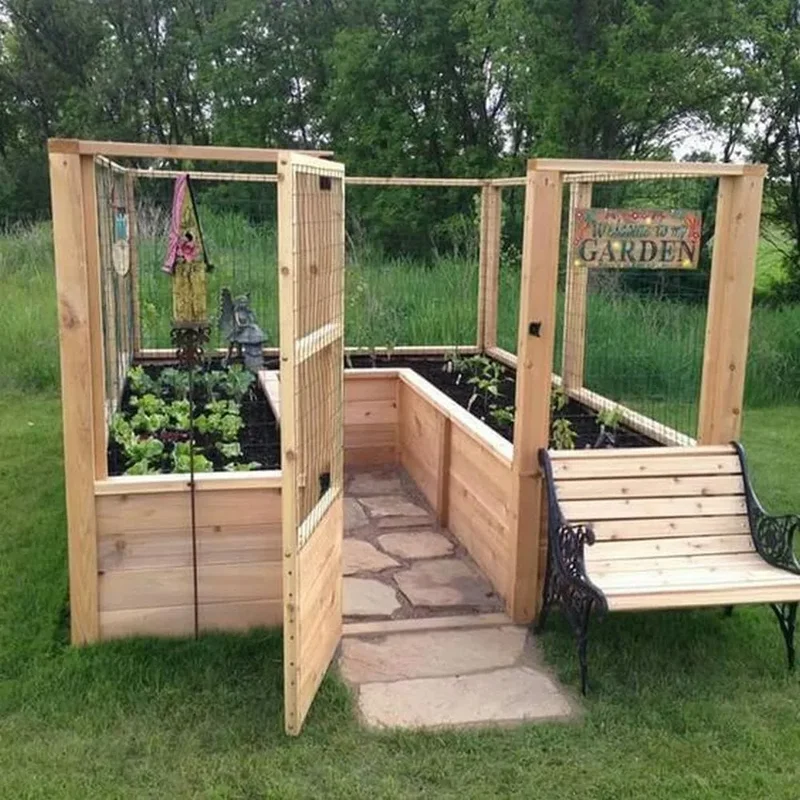
Credit: The Owner Builder Network
If deer, rabbits, or burrowing critters regularly raid your garden, you’ll need to add protective enclosures around your raised beds.
Wrap chicken wire around corner posts or build a proper frame with a door, but keep the top open for birds and pollinators.
This simple addition protects your hard work while still allowing beneficial insects and hummingbirds to access your plants freely.
07. Spiral Herb Garden Design
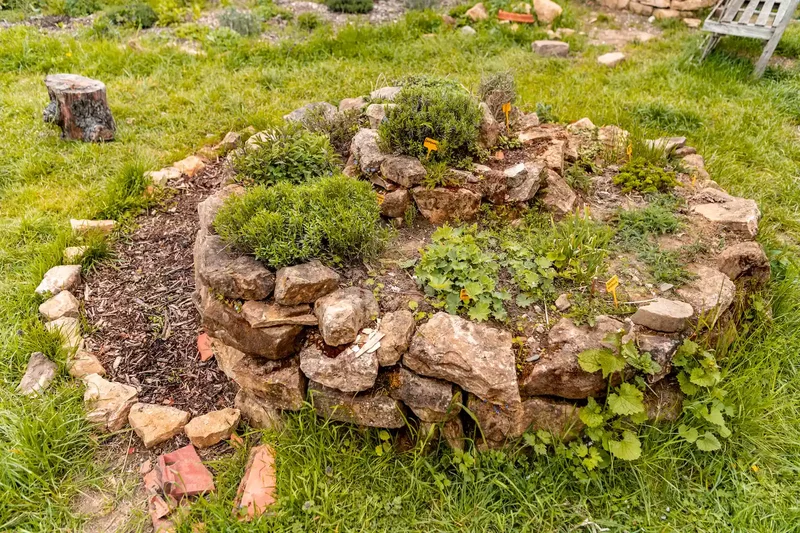
Credit: OK-Photography
You’ll maximize your planting area without using extra ground space by building a stunning spiral garden from stone, brick, or wood.
This permaculture technique creates different microclimates as you move up the spiral, perfect for growing various herbs with different needs.
The swirling shape becomes an eye-catching focal point that adds architectural interest to any garden space you have.
08. Landscape Timber Box Beds
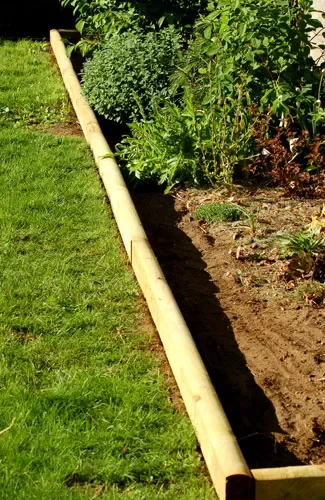
Credit: David Beaulieu
Landscaping timbers from your local home improvement store make sturdy, attractive raised bed walls that’ll last for years.
These log-like materials typically measure about 3.5 inches in diameter and come in convenient 8-foot lengths.
You can stack them to create beds at whatever height works best for your gardening comfort and plant requirements.
09. Upcycled Pallet Growing Boxes
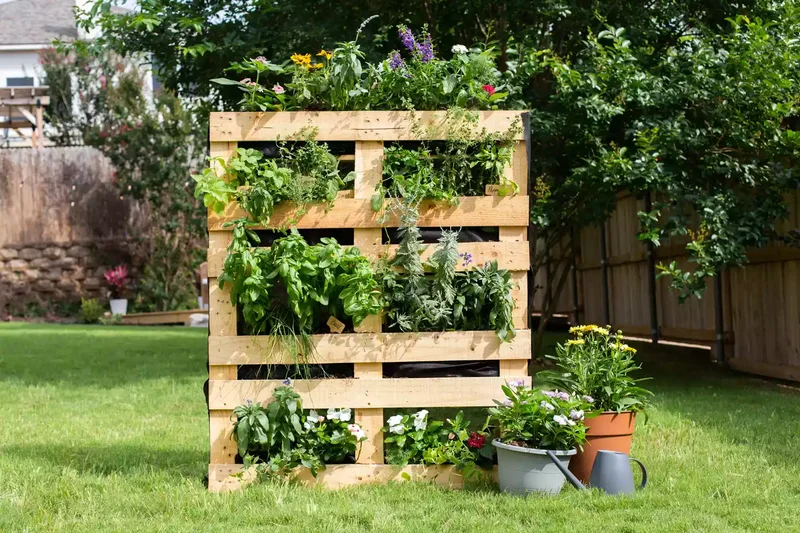
Credit: The Spruce / Liz Moskowitz
Free shipping pallets can become fantastic raised beds with natural dividers between the slats that keep your plantings organized.
Just make sure you’re using heat-treated pallets marked with “HT” rather than chemically treated ones for safety.
You can lay them flat or stand them upright to create a living wall filled with cascading plants and flowers.
10. Self-Watering Storage Container Gardens

Credit: The Spruce / Kevin Norris
Plastic storage containers might not win beauty contests, but they’re incredibly functional for growing vegetables and herbs successfully.
These self-watering systems brilliantly control moisture levels and fertilizing, taking the guesswork out of plant care.
They’re perfect for beginners who want foolproof results without constantly monitoring soil conditions throughout the growing season.
11. Repurposed Table Planter Beds
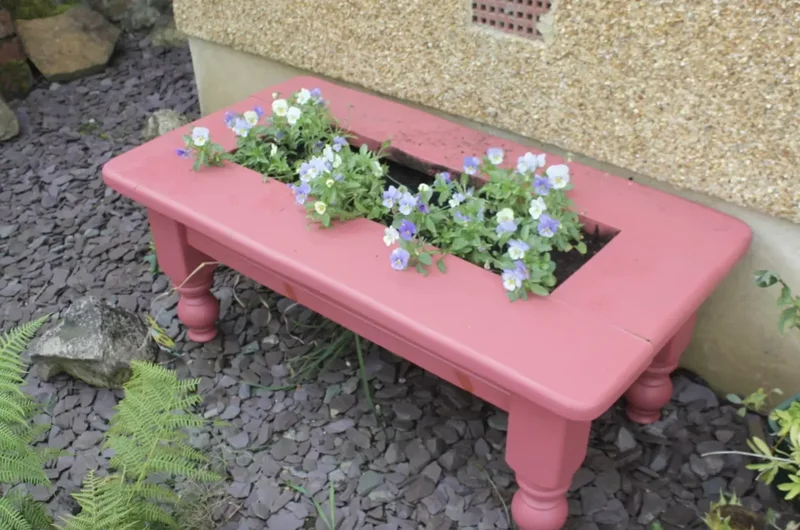
Credit: Instructables
That old kitchen table or coffee table destined for the curb can become your next raised herb garden instead.
Growing herbs at table height makes harvesting incredibly convenient while giving worn furniture a beautiful second life.
You’ll get a few more years of use before the wood naturally degrades, making this a sustainable and charming option.
12. Stacked Brick and Stone Walls
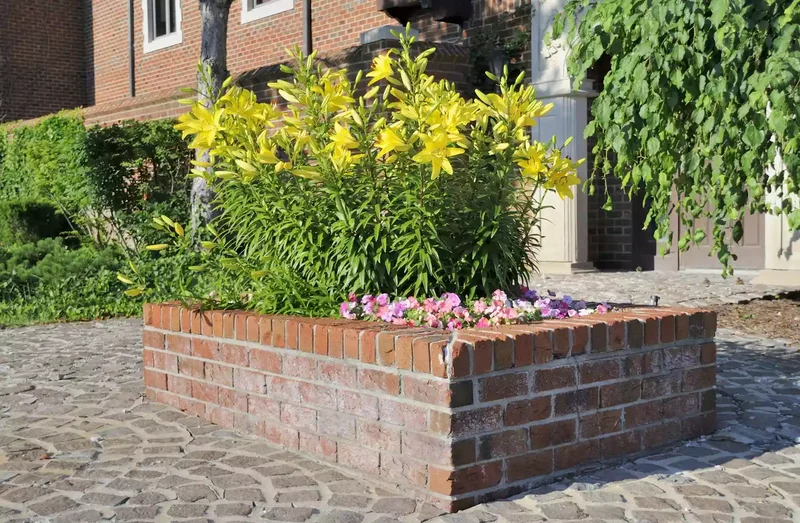
Credit: RiverNorthPhotography
Dry-stacking bricks, cobblestones, or retaining wall blocks creates incredibly durable raised beds that’ll outlast most other materials.
You don’t need mortar for shorter walls, though masonry adhesive adds stability if you’re stacking more than four levels high.
Building with double-layer thickness all around gives you maximum strength and a professional-looking finished appearance.
13. Portable Milk Crate Gardens
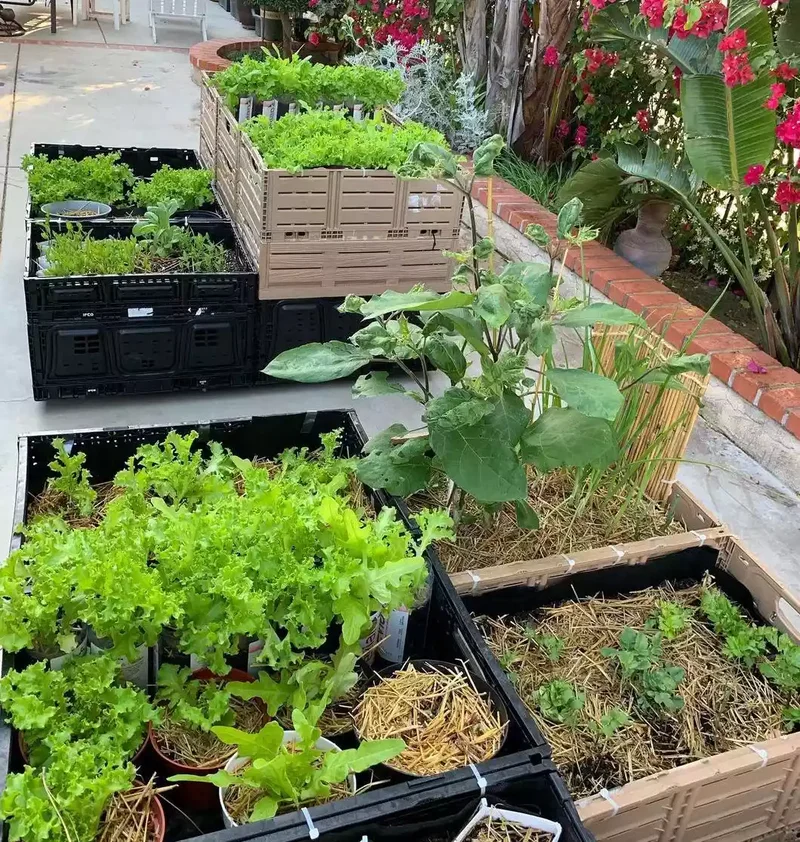
Credit: @yorbaplants/ Instagram
Milk crates give you ultimate flexibility since you can pick them up and move your plants wherever they’ll thrive best.
Configure them into any shape you like, and the built-in drainage holes mean you don’t need to modify anything.
When it’s time to refresh your soil, just lift the crate and dump the contents into your compost pile effortlessly.
14. Multi-Purpose Storage Area Gardens
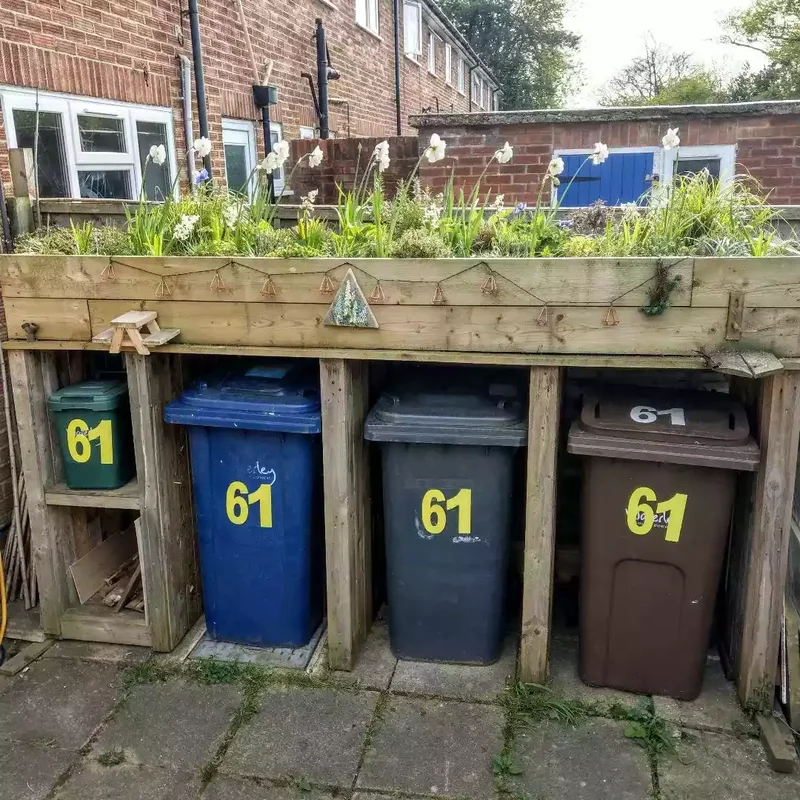
Credit: @ransomebuilds_diy/ Instagram
You’ll love this clever design that puts a beautiful raised flower box right on top of your trash bin storage area.
It transforms an ugly utilitarian space into something gorgeous while making the most of every square inch you have.
Add string lights and personal decorations to create a charming focal point that serves double duty in your yard.
15. Terraced Slope Garden Beds
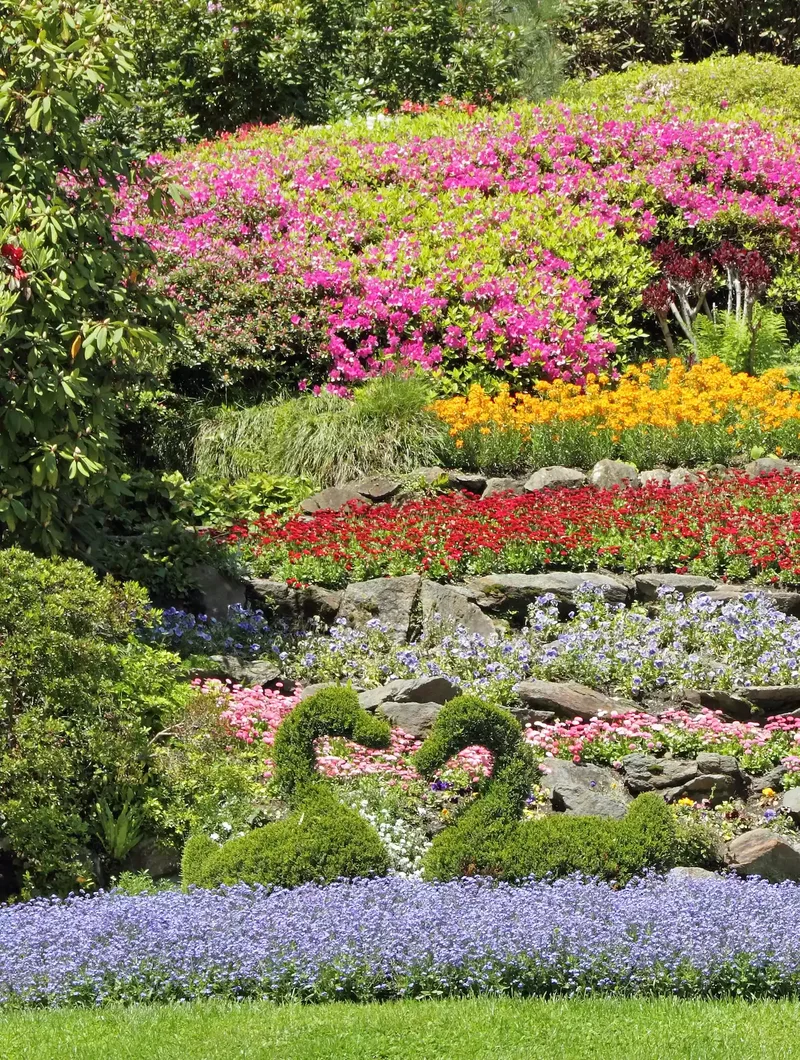
Credit: mkistryn
Raised beds work beautifully on steep slopes by creating the illusion of level ground where you thought gardening was impossible.
Build up the lowest sections to create terraced areas wide enough for layered plantings with shrubs in back and perennials in front.
This approach turns challenging terrain into stunning multi-level gardens that add dimension and visual interest to your landscape.
16. Season-Extending Hoop House Covers
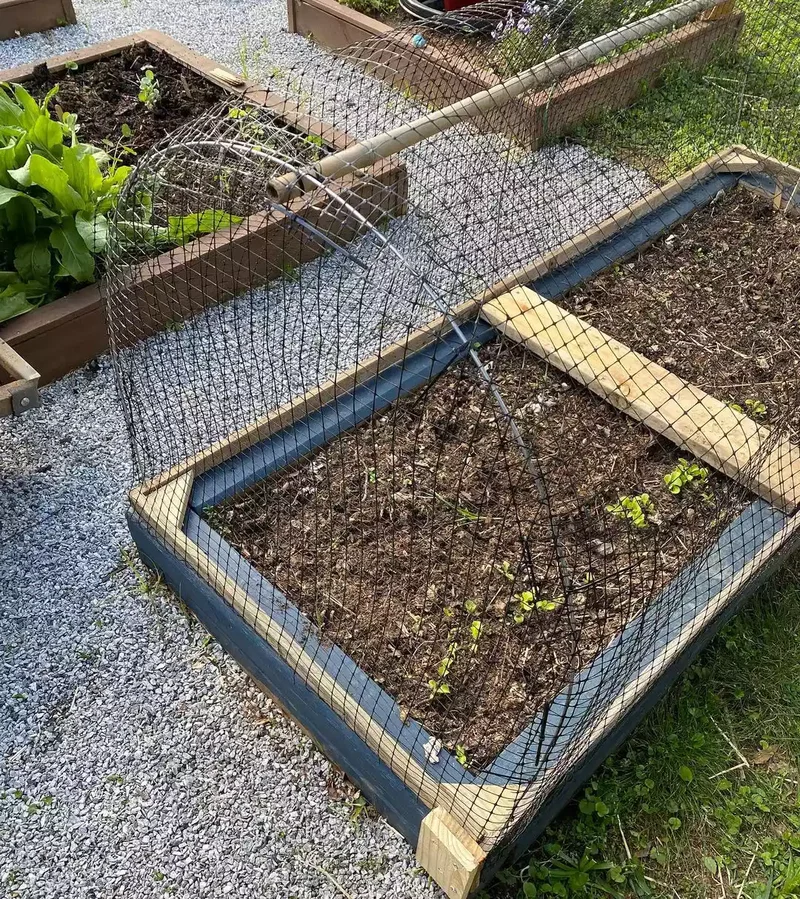
Credit: @hamaksatcher_garden/ Instagram
Adding a lightweight hoop house frame to your raised bed lets you garden through multiple seasons regardless of weather conditions.
You’ll get a head start in spring and protection from frost, while the raised bed keeps animals from easily accessing your vegetables.
The sturdy netting holds cloth coverings perfectly when temperatures drop, extending your harvest well beyond normal growing seasons.
17. Fence-Mounted Flower Box Planters
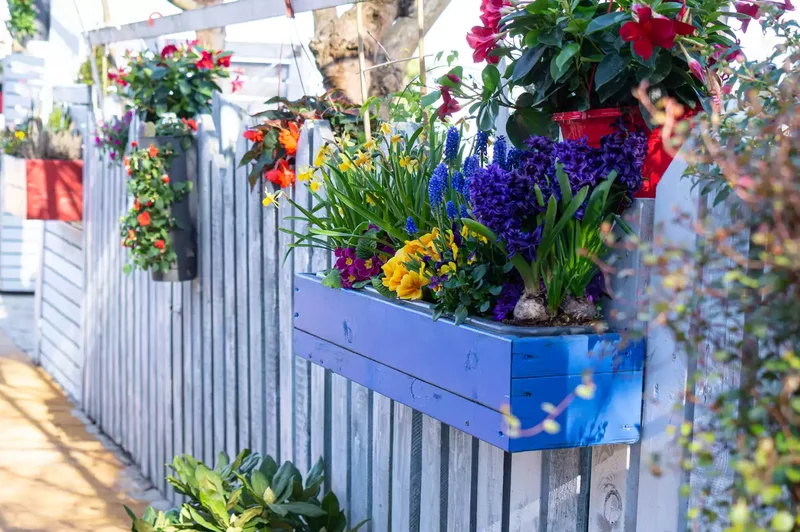
Credit: Konoplytska
If you have a sturdy fence, you can attach small raised beds like window boxes to create vertical growing space.
Fill them with annuals that bloom continuously or rotate seasonal decorations throughout the year for constant visual interest.
During winter holidays, these mounted boxes become perfect spots for displaying festive greens and cheerful decorations.
18. Mixed Container and Raised Bed Gardens
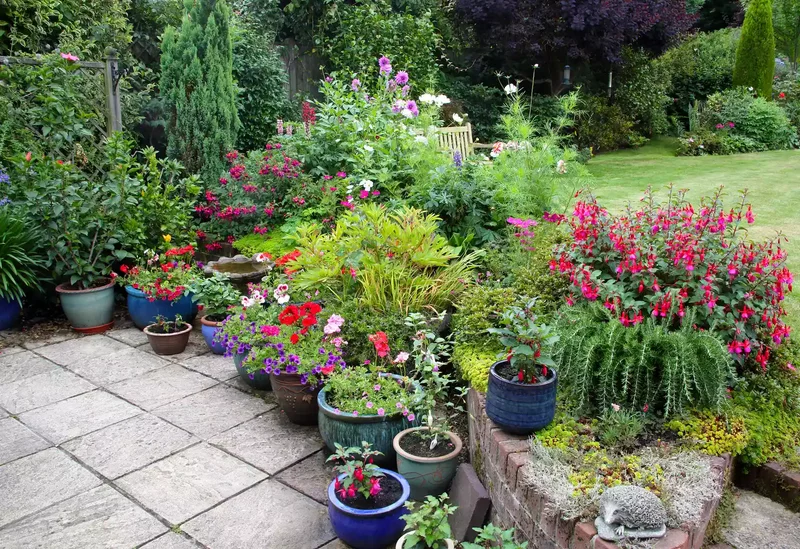
Credit: Rosemary Calvert
Placing decorative containers at varying heights below your raised bed walls creates wonderful visual depth and dimension.
This layered approach draws eyes up and down while giving you unlimited flexibility to change your design whenever inspiration strikes.
You can easily swap out containers seasonally to maintain four-season interest and keep your garden looking fresh year-round.
19. Custom Multi-Level Garden Rooms
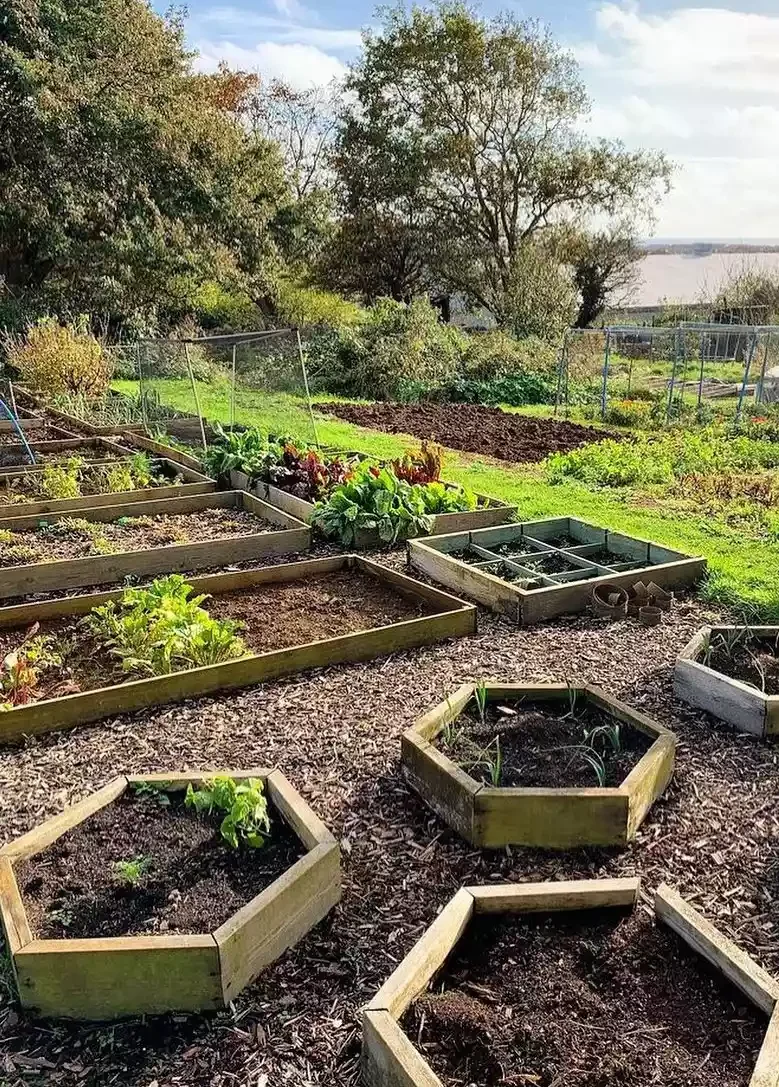
Credit: @devonandearth/ Instagram
With creativity and planning, you can design raised beds that create an entire outdoor living and gardening area.
Incorporate straight lines at multiple levels, add a potting shed, include built-in bench seating, and watch your garden transform.
As plants mature and wood weathers naturally, your custom garden develops that coveted rustic, established appearance everyone loves.
20. Fabric Grow Bag Planters
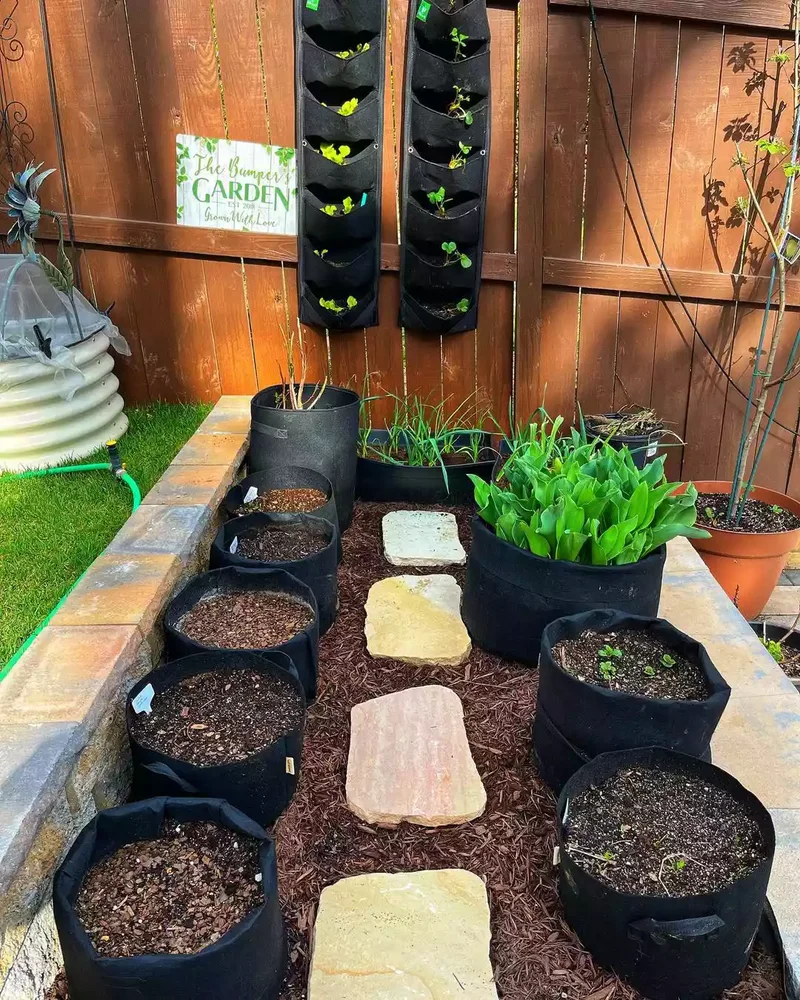
Credit: @theurbangardenher/ Instagram
Grow bags sit above the frost line so your soil warms up faster in spring, letting you start planting weeks earlier.
Unlike rigid containers, these fabric bags don’t freeze solid and their soil defrosts remarkably quickly when temperatures rise.
They’re lightweight, affordable, and breathable, making them excellent choices for vegetable gardening in challenging climates.
21. Painted Tire Container Gardens
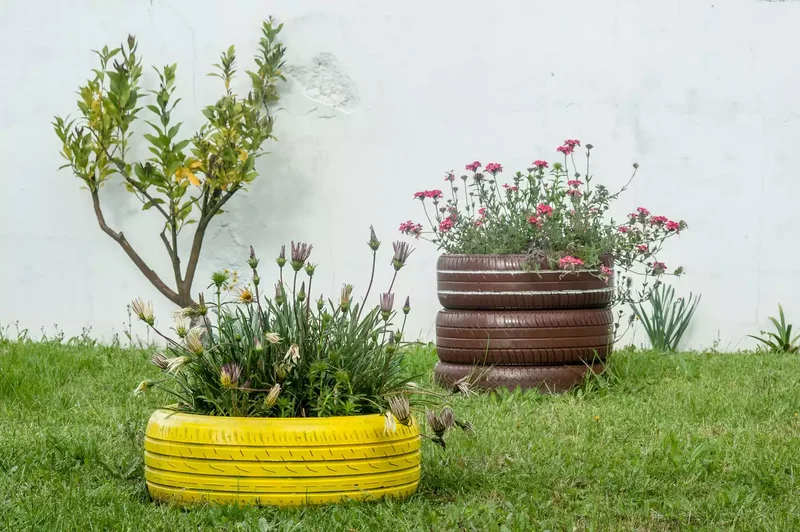
Credit: Guara Seckler
Old tires can become quirky raised bed containers, especially when you paint them in bright colors or stack them creatively.
They’re free and readily available, though you should only use them for ornamental plants rather than edibles.
Some concerns exist about tires leaching chemicals over time, so it’s best to avoid them for anything you plan to eat.
22. Concrete Block Succulent Gardens
Credit: mountaincrestgardens/ Instagram
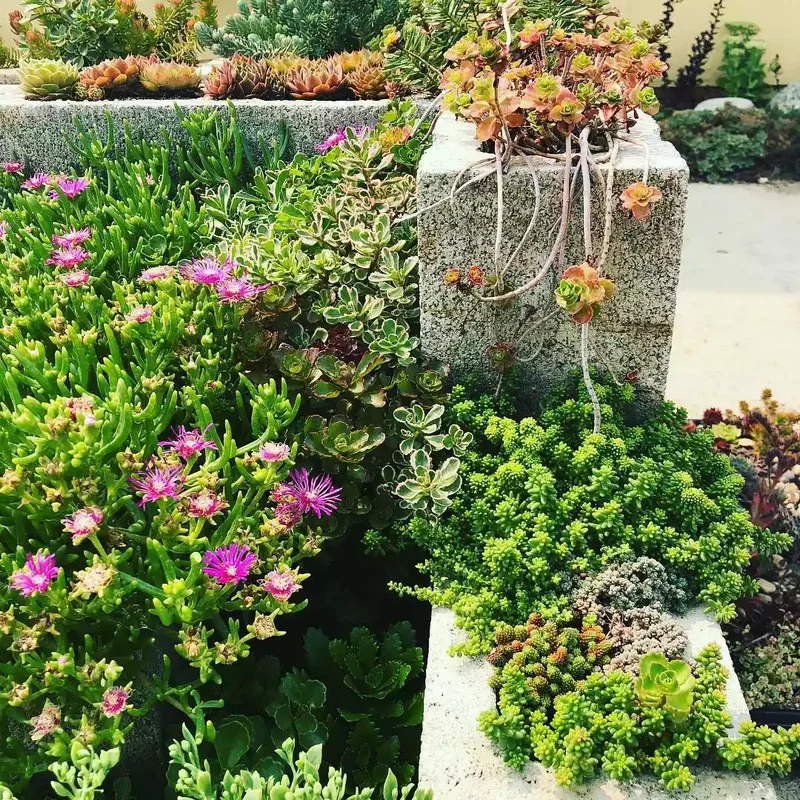
Cinder blocks and concrete blocks create sturdy, long-lasting raised beds that are incredibly easy to assemble without special skills.
Just remember that concrete leaches lime and raises soil pH, so choose plants that thrive in alkaline conditions.
Hardy succulents and sedums are perfect choices since they’re not fussy about soil chemistry and look stunning in these planters.
23. Tiered Dresser Drawer Planters
Credit: Beyond the Picket Fence
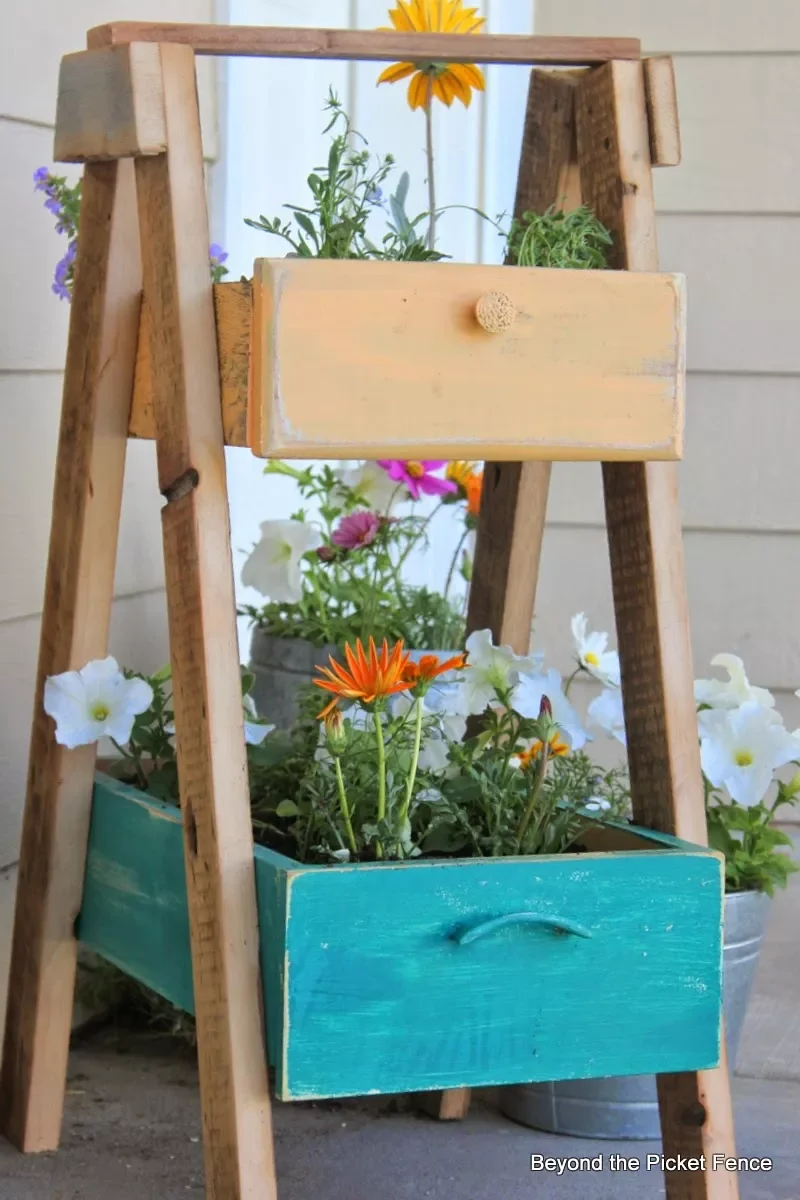
Before you toss that old dresser, consider turning its drawers into charming tiered planters for different plant species.
Old furniture pieces like media centers, beds, and even bathtubs can all become unique raised garden containers.
Each drawer creates a separate growing space, perfect for organizing herbs, flowers, or small vegetables by type or color.
24. Contemporary Corrugated Metal Designs
Credit: The Spruce / Autumn Wood
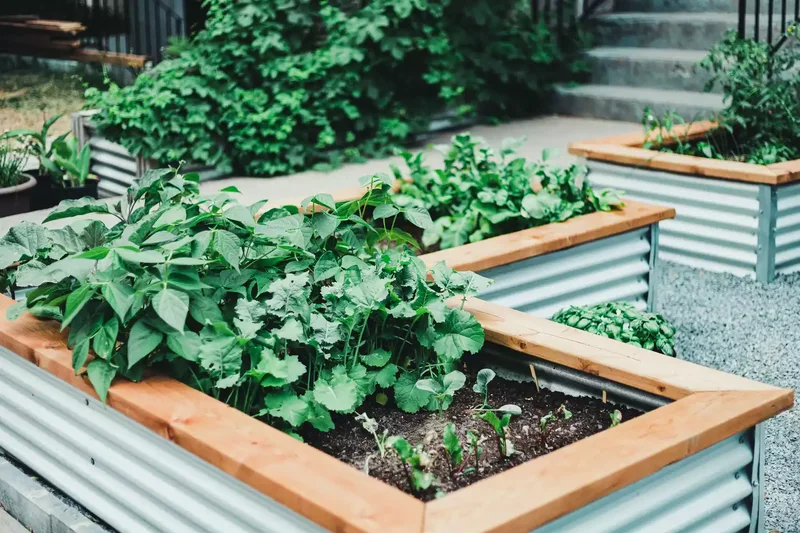
Corrugated metal roofing panels framed with wood create sleek, modern raised beds that look incredibly fresh and contemporary.
The steel is completely safe for growing edibles and actually keeps soil cooler than many other materials.
Its reflective properties prevent heat absorption, making it an excellent choice for gardens in hot climates where overheating is a concern.
25. Layered Lasagna Garden Beds
Credit: @nanceband/ Instagram
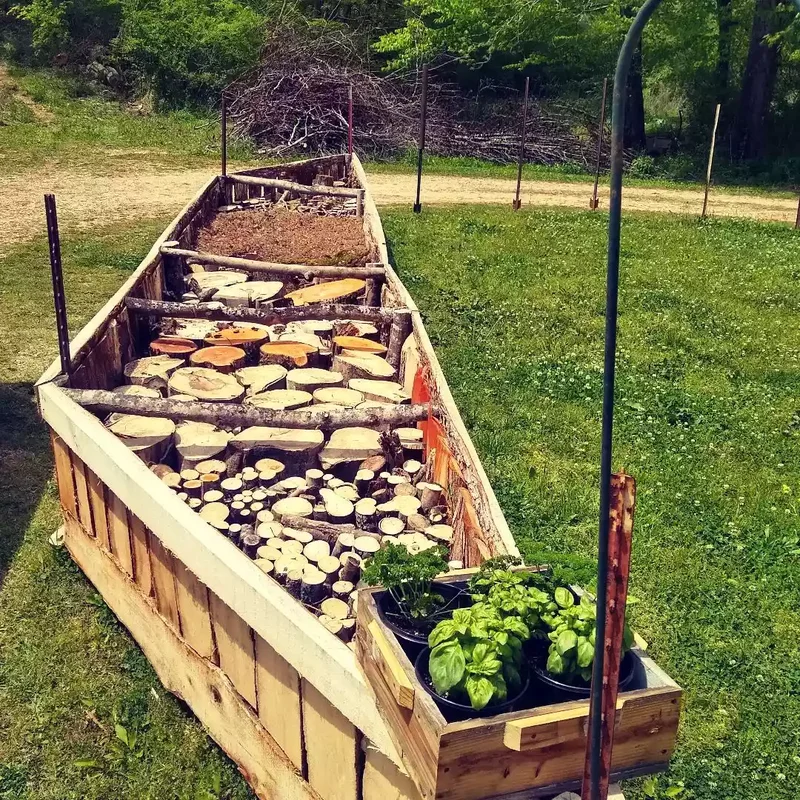
Lasagna gardening fills your raised beds with alternating layers of organic materials like cut wood and grass clippings beneath topsoil.
This technique dramatically reduces the weight and cost of soil, especially when you’re growing plants with shallow root systems.
The layered materials break down over time, enriching your soil naturally while providing excellent drainage and aeration.
26. Pipe Section Garden Borders
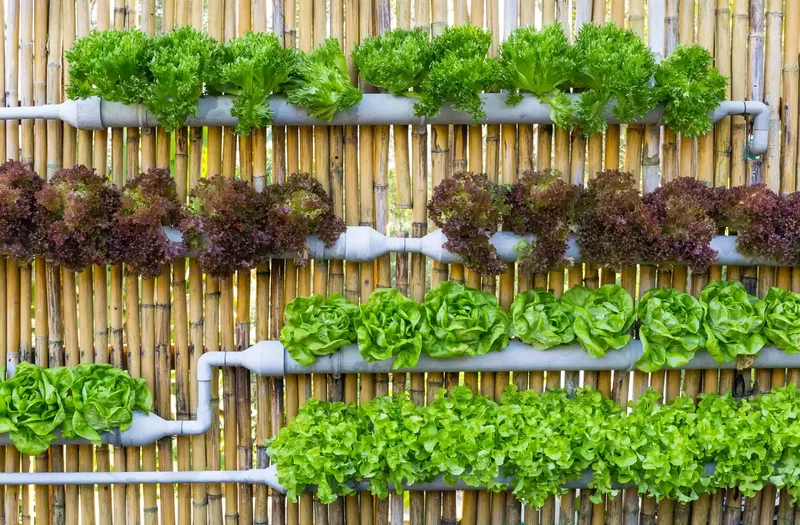
Credit: Piyachok
You can turn terracotta or PVC pipes on their sides to create unique circular borders that contain your raised bed soil.
The hollow interior of each pipe section becomes a mini planter perfect for herbs or small border plants.
Terracotta works beautifully for succulents that prefer drier conditions, while PVC retains more moisture for thirstier plants.
27. Organized Square Foot Gardens
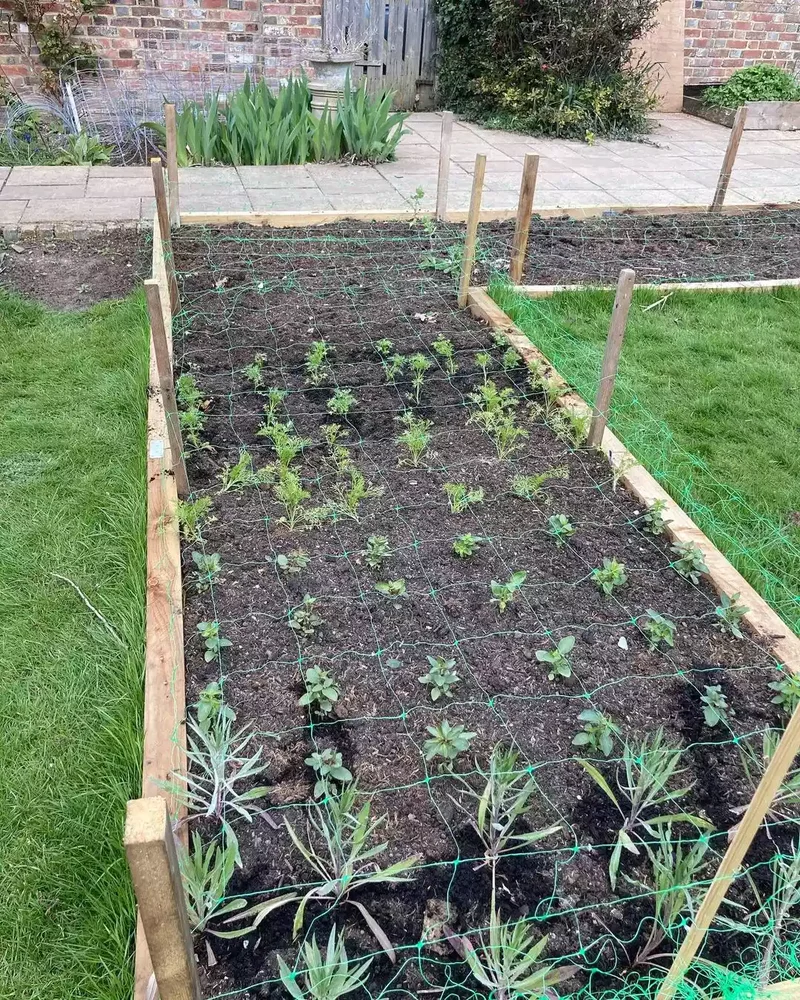
Credit: @hollyhillflowers/ Instagram
Dividing your raised bed into one-foot squares creates an intensively planted, highly productive kitchen garden that maximizes every inch.
This layout method helps you control soil quality and prevents compaction so vegetable roots can grow freely.
Even raising your beds just 6 to 8 inches off the ground provides significant benefits for plant health and productivity.
28. Mobile Gardens on Casters
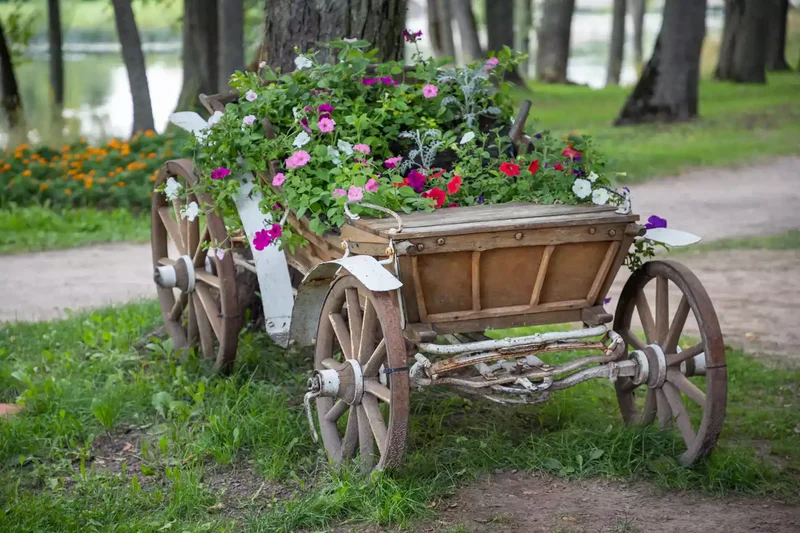
Credit: undefined undefined
Building your raised planting boxes with wheels underneath gives you incredible flexibility to move plants as their light needs change.
Add shelves below for storing containers and gardening tools, creating a mobile gardening station that goes wherever you need it.
You can even repurpose an old wheelbarrow for this purpose, giving you instant portability for your container garden.
29. Classic Red Brick Raised Planters
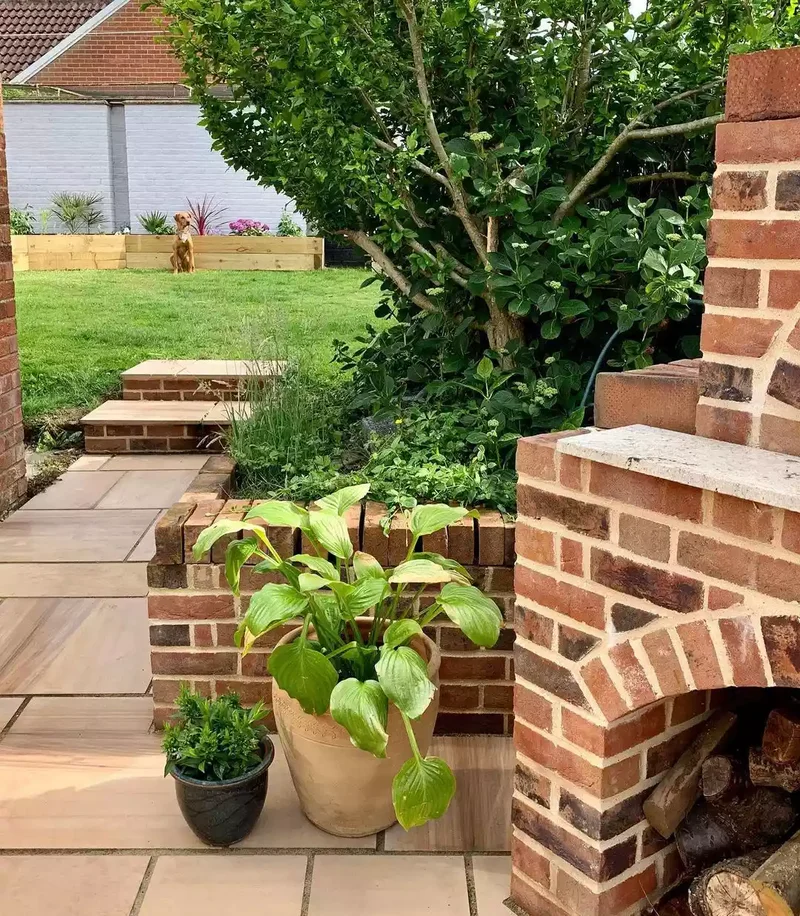
Credit: @_maple_house/ Instagram
Traditional red brick raised beds add timeless elegance to your backyard while providing excellent growing conditions for your plants.
Bricklaying requires patience and precision, but the results last for decades when you use mortar to hold everything together.
Choose bricks rated for wet conditions since your garden bed will be constantly exposed to moisture from watering and rain.
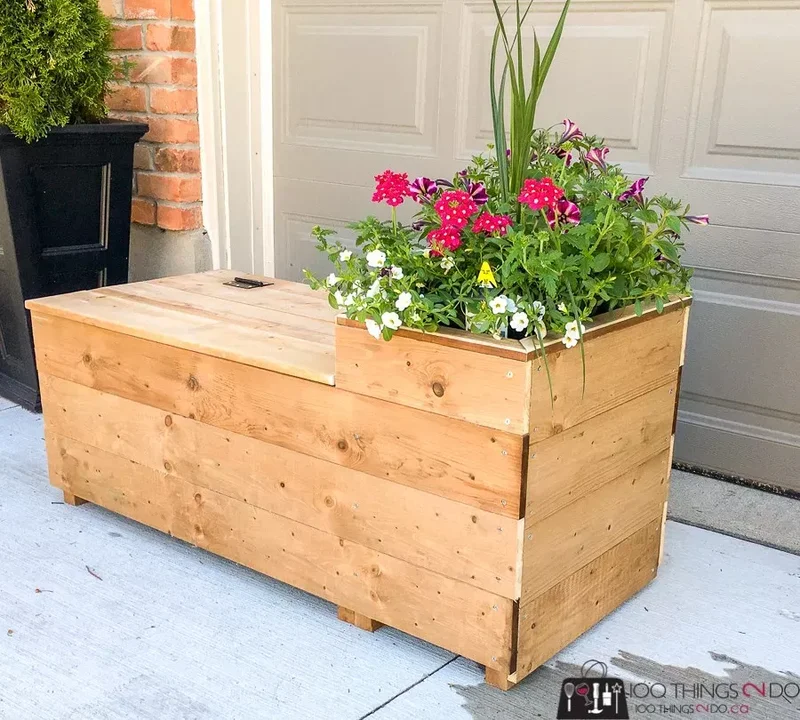
30. Integrated Seating Garden Boxes
Credit: 100 Things 2 Do
When designing taller raised beds from scratch, incorporating built-in bench seating makes your garden both beautiful and functional.
You’ll have lovely spots to sit and enjoy your flowers while making weeding and pruning much easier on your back.
The seating becomes a practical work surface when you’re maintaining plants in beds that are several feet tall.
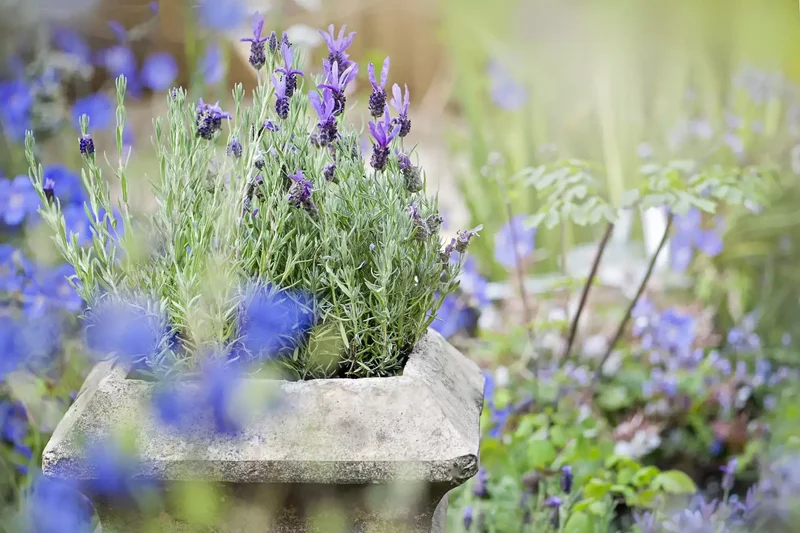
31. Timeless Natural Stone Walls
Credit: Jacky Parker Photography
Stone raised beds offer unmatched durability since they’ll never degrade, rot, or decompose regardless of weather conditions.
You don’t need to worry about winter freezes, summer heat, or flooding destroying your investment over time.
Natural stone adds organic beauty to any landscape while being completely food-safe and environmentally friendly for growing edibles.
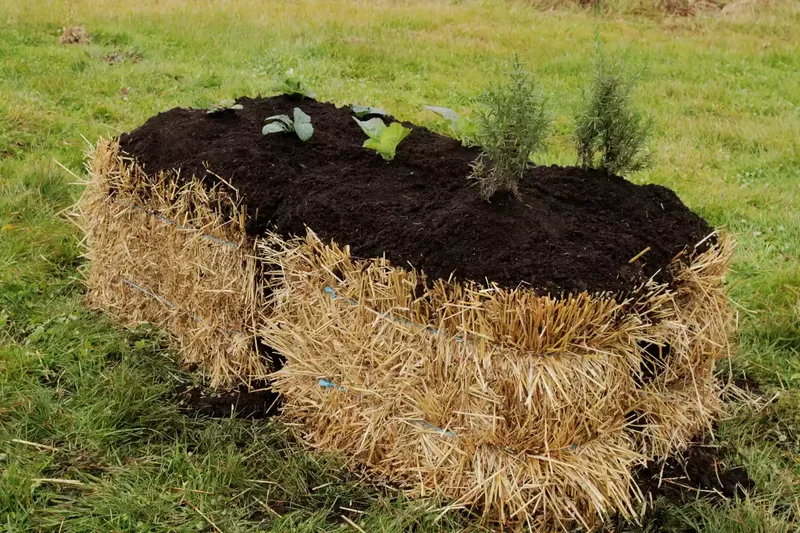
32. Rustic Straw Bale Planters
Credit: The Spruce / Steven Merkel
In rural areas where straw bales are plentiful, they make surprisingly excellent growing mediums for herbs and flowers.
Straw lasts about two years compared to hay’s single season, and it’s lighter, cheaper, and less likely to contain herbicides.
Each bale holds several gallons of water with excess draining naturally, and you often don’t even need soil for larger seeds.
Final Thoughts
You’ve just explored 32 amazing ways to create raised garden beds that fit virtually any space, budget, and style preference.
From industrial materials to natural elements, repurposed furniture to custom designs, the possibilities for your outdoor space are truly endless.
Pick the idea that resonates most with your vision, gather your materials, and start building the raised bed garden you’ve been dreaming about all along.
