
You don’t have to let winter stop your gardening passion.
The colder months actually offer amazing opportunities to prep, plan, and create projects that’ll set you up for spring success.
From crafting custom plant labels to building bee hotels, these winter garden ideas will keep your green thumb active all season long.
01. Create Custom Plant Labels
Credit: The Spruce / Adelyn Duchala
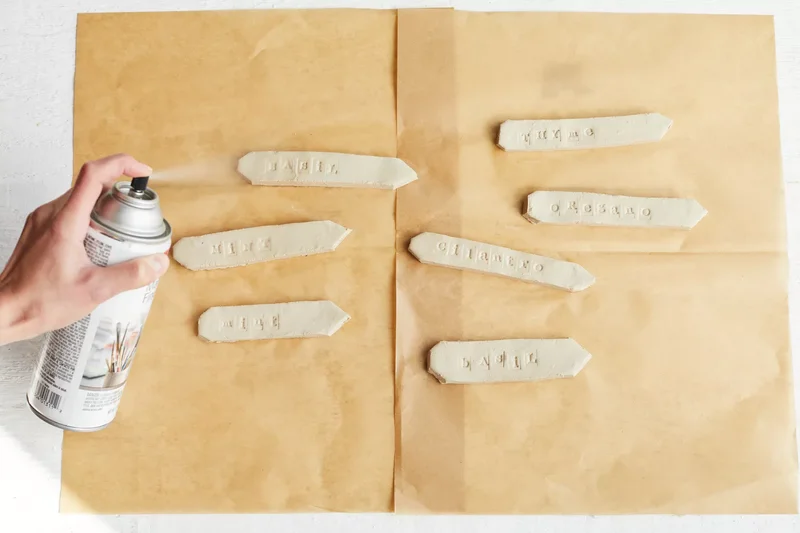
Those chilly winter days are perfect for getting creative with DIY plant labels.
You can transform upcycled materials or air-dry clay into beautiful markers for your garden. Raid your craft supplies, check out local yard sales, or gather interesting objects from your snow-covered yard to create whimsical garden art that’s uniquely yours.
02. Create Habitats for Pollinators
Credit: Nennieinszweidrei / Pixabay
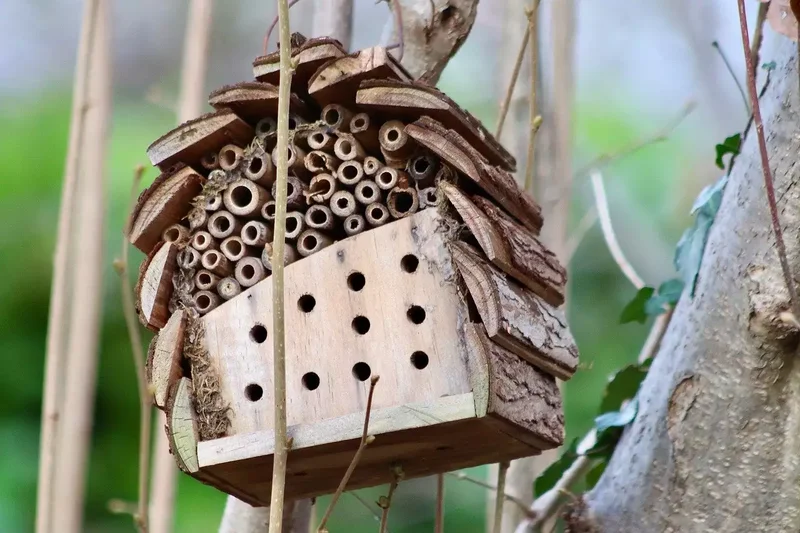
You’ll love how easy it is to support your local bee and butterfly populations during winter.
Leave those autumn leaves in your flower beds until spring arrives, or get hands-on by building a simple bee hotel. Just drill various-sized holes into untreated wood and mount it near your garden beds where spring bees will discover their new home.
03. Continue Your Composting Routine
Credit: The Spruce / Meg MacDonald
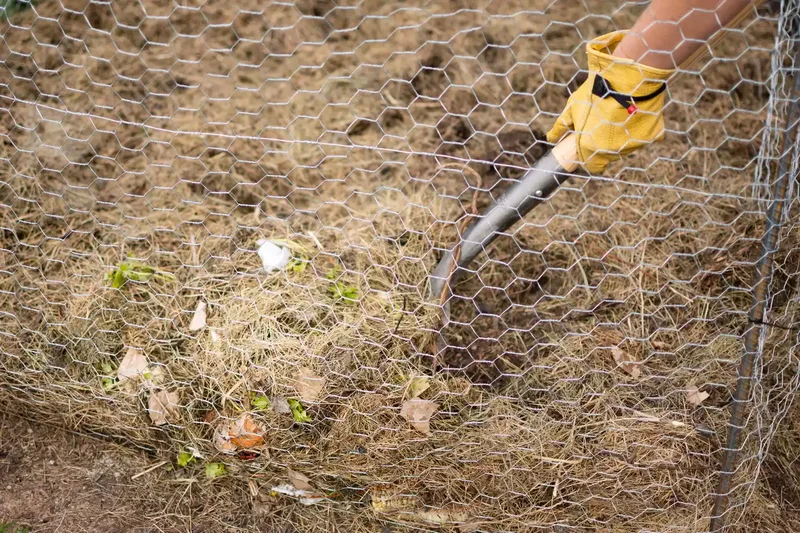
Your compost pile doesn’t need to take a winter vacation.
Keep adding kitchen scraps as long as your pile hasn’t frozen completely solid. Insulate your bin with straw or dried leaves, and skip turning it during cold snaps to maintain internal heat. You can also explore indoor options like bokashi composting or vermicomposting for year-round decomposition.
04. Craft Wildflower Seed Balls

Credit: congerdesign / Pixabay
Making seed balls is a fun winter project that kids absolutely love.
Mix two parts potting soil with one part powdered red clay and your favorite wildflower seeds. Add just enough water to form small balls, then let them dry completely before storing in a cool spot until planting time arrives in spring.
05. Layer on Protective Mulch
Credit: The Spruce / Jacob Fox
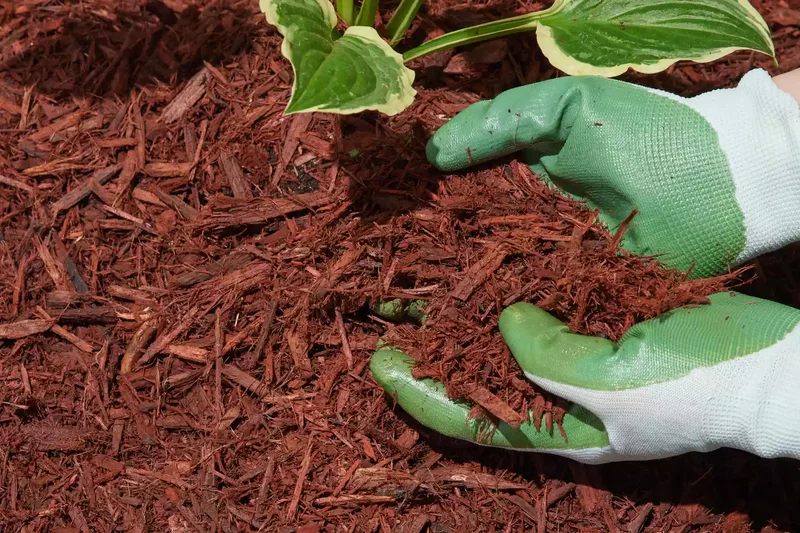
Winter mulching protects your soil from harsh, drying winds that can damage plant roots.
Choose weed-free straw, compost, or shredded leaves for veggie gardens, while wood chips work beautifully in ornamental beds. Apply a two to four-inch layer, keeping mulch away from plant stems to prevent moisture-related rot issues that can harm your plants.
06. Set Up Winter Bird Feeding Stations
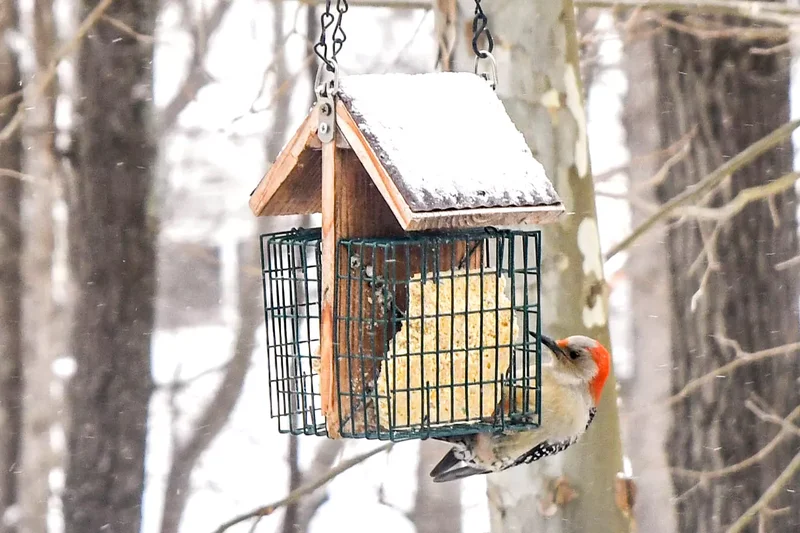
Credit: The Spruce / Adrienne Legault
Birds struggle to find food when winter insects disappear from your garden.
Set up feeders and a heated birdbath to attract beautiful feathered visitors you can watch from your warm kitchen window. For extra fun, roll pinecones in peanut butter and birdseed to create natural ornament feeders that birds absolutely adore.
07. Grow Fresh Herbs Indoors
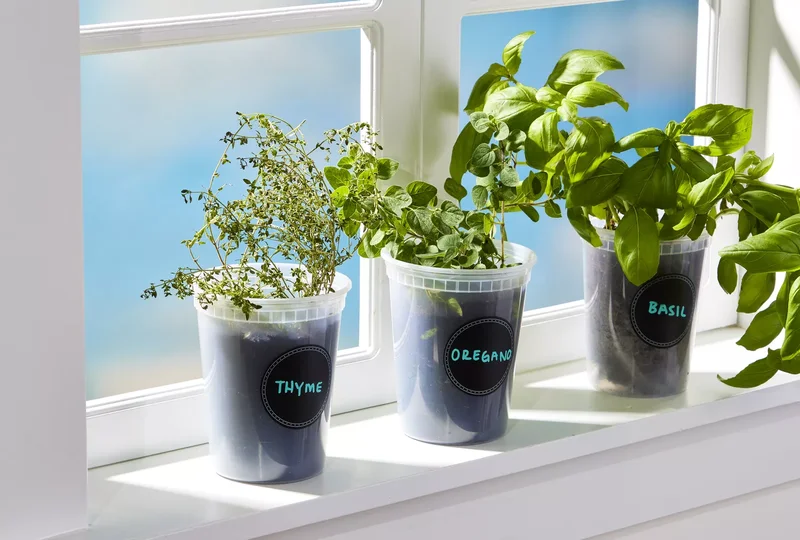
Credit: The Spruce / Brie Goldman
You don’t have to give up fresh herbs just because it’s freezing outside.
Start an indoor herb garden on your sunniest windowsill to keep your kitchen stocked all winter long. Chives, mint, cilantro, and basil thrive indoors with minimal fuss, giving you fresh flavors for your cooking whenever you need them.
08. Analyze Your Garden Soil
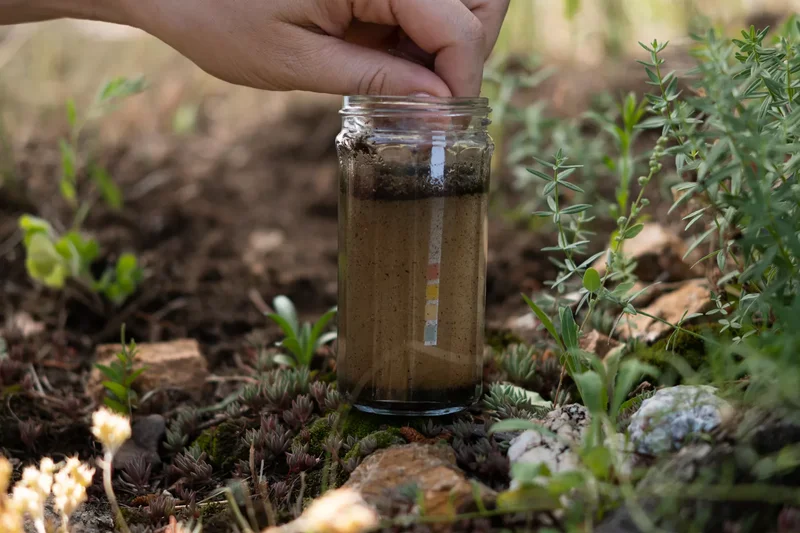
Credit: The Spruce / Meg MacDonald
Testing your soil every three years helps you catch nutrient deficiencies before they become major problems.
Winter is actually a great time to send soil samples to your local extension office for analysis. You’ll receive results in time to add necessary amendments before spring planting begins, ensuring your garden has everything it needs to thrive.
09. Purchase Bare Root Plants Early
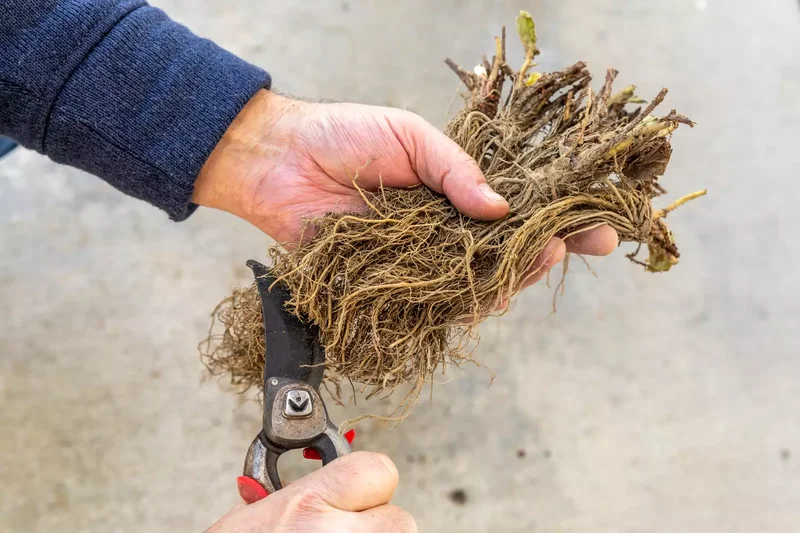
Credit: The Spruce / Jayme Burrows
Don’t forget about bare root options while you’re ordering seeds from winter catalogs.
Many companies offer bare root strawberries, fruit trees, and perennials during winter months for spring delivery. Ordering early ensures you’ll get exactly what you want before popular varieties sell out, and bare root plants often cost less than potted versions.
10. Construct Additional Garden Beds
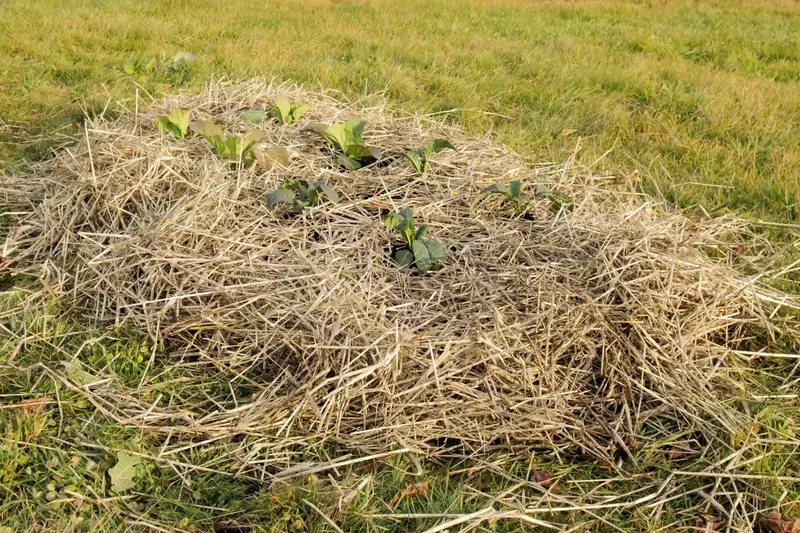
Credit: The Spruce / Steven Merkel
Winter gives you time to expand your growing space without feeling rushed.
Build raised beds from cedar boards, start lasagna garden layers, or create a hügelkultur mound using logs and organic debris. These projects are easier to tackle when you’re not competing with planting deadlines, and they’ll be ready when spring arrives.
11. Try Winter Sowing Techniques
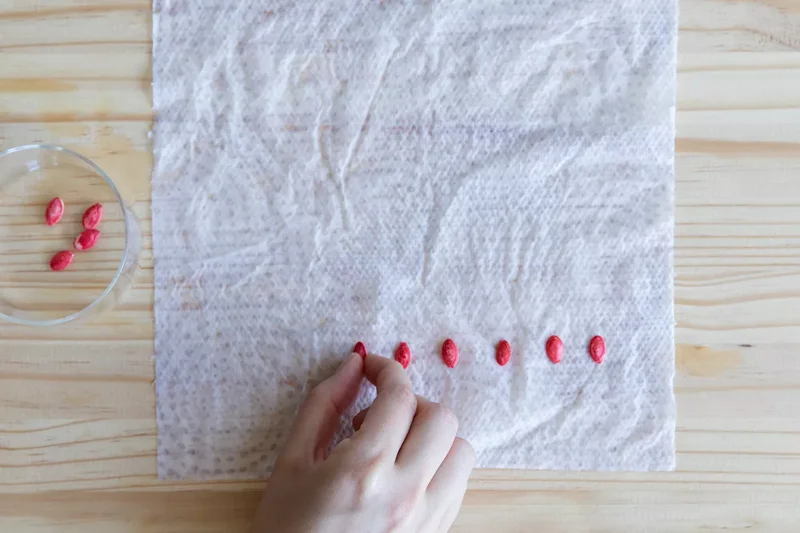
Credit: The Spruce / Michelle Becker
Native wildflower seeds actually need cold exposure to germinate properly in spring.
You can winter sow these seeds in mini greenhouses made from recycled milk jugs set outside. Alternatively, wrap seeds in damp paper towels inside plastic bags and refrigerate them for about a month to achieve the same cold stratification effect indoors.
12. Start Seeds Under Lights

Credit: The Spruce / Meg MacDonald
Indoor seed starting saves you money and extends your growing season significantly.
Begin slow-growing crops like celery and chives in late winter, while faster vegetables can wait until early spring. All you need are quality seeds, containers, grow lights, and seed starting mix to get your garden off to a strong start.
13. Build Natural Plant Supports
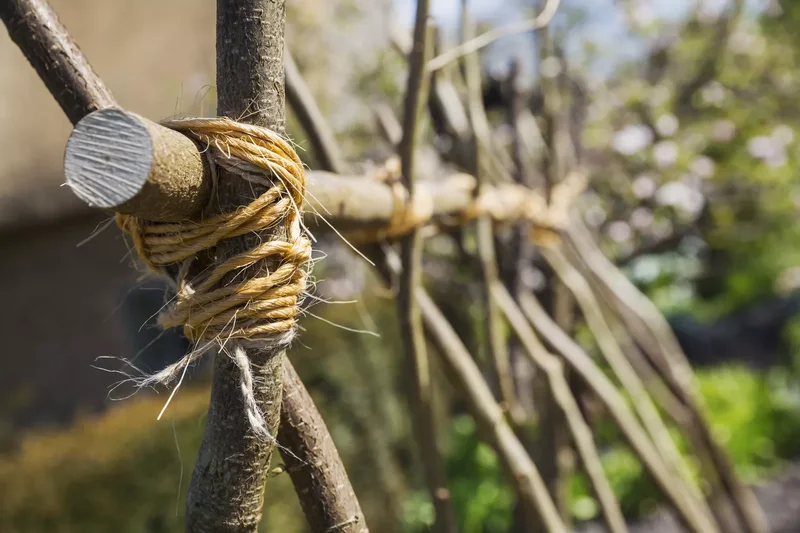
Credit: Mint Images
Winter storms leave plenty of fallen branches perfect for crafting DIY trellises.
Gather sticks, twigs, and flexible vines to weave into rustic obelisks and supports for climbing plants. Creating these structures during winter checks items off your spring to-do list while giving you beautiful, natural-looking garden features that cost nothing.
14. Cultivate Fresh Microgreens
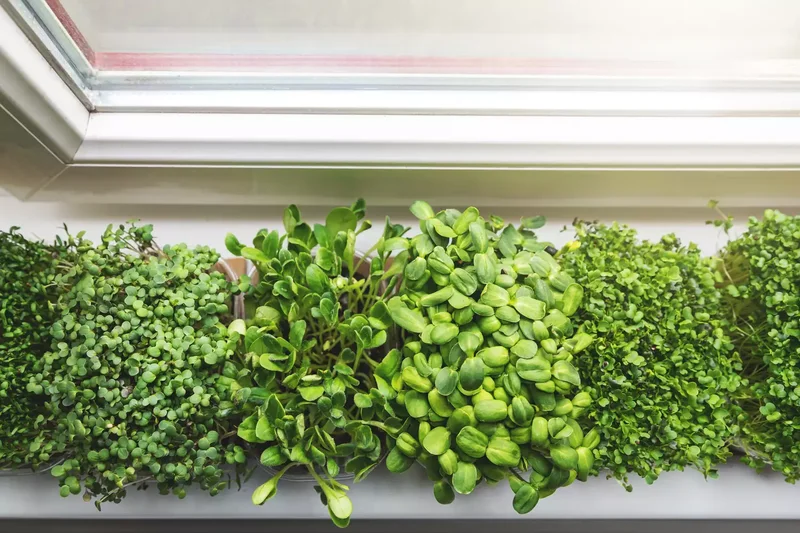
Credit: ronstik
Craving fresh greens during winter? Microgreens are your answer.
Grow radishes, broccoli, kale, mustard, or arugula in shallow containers on your kitchen counter or windowsill. These nutrient-packed baby greens are ready to harvest in just days, and you can experiment with unique varieties like mizuna or red-veined sorrel for exciting flavors.
15. Browse and Order Seeds
Credit: The Spruce / Brie Goldman
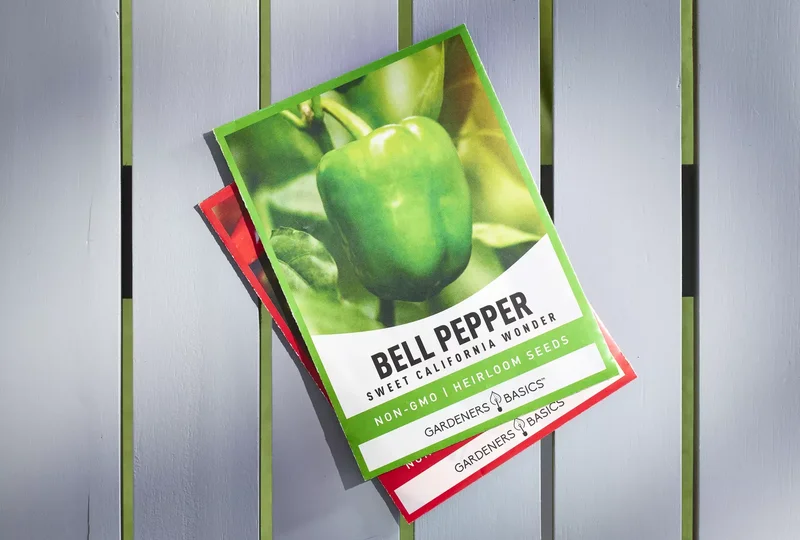
Winter is prime time for flipping through seed catalogs and planning your dream garden.
Order your reliable favorites, but challenge yourself to try a few new varieties each year to keep things exciting. Store seeds in a cool, dark, dry location until planting time, and they’ll stay viable and ready to grow.
16. Enrich Your Soil Now
Credit: The Spruce / Jason Donnelly
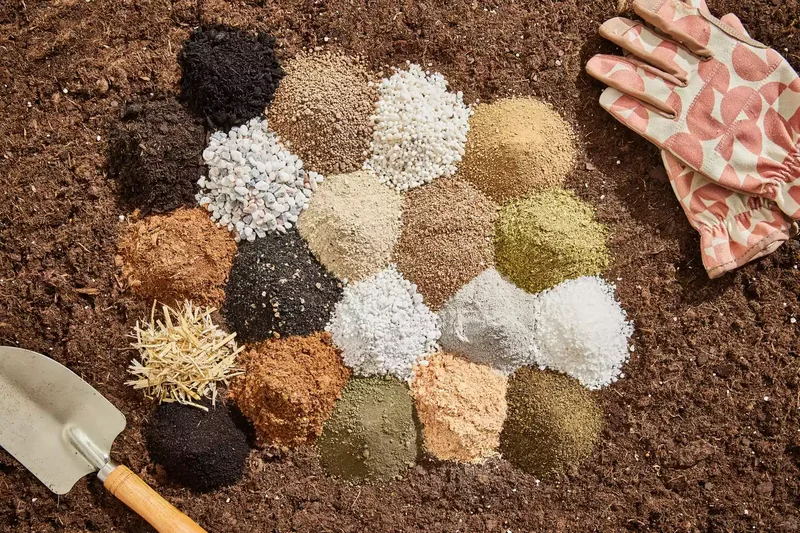
If soil testing revealed deficiencies, winter is perfect for adding amendments.
Spread slow-release fertilizers, aged manure, or compost directly over your beds and mix into the top six inches if ground isn’t frozen. You can also layer amendments on top, cover with mulch, and wait until spring thaw to incorporate them into soil.
17. Extend Growing with Cold-Hardy Varieties
Credit: Mypurgatoryyears
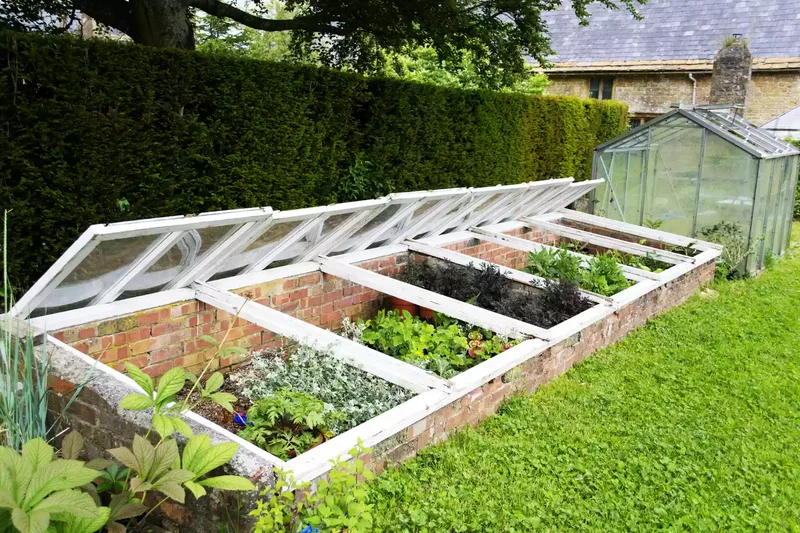
You can actually grow fresh vegetables throughout winter with the right protection.
Cold-hardy crops like brassicas, radishes, and carrots survive freezing temperatures under cold frames, row covers, or cloches. In milder climates, simple mulch might be all you need, while heat-loving tomatoes can thrive indoors in sunny spots.
18. Design Your Spring Garden Layout
Credit: darrya
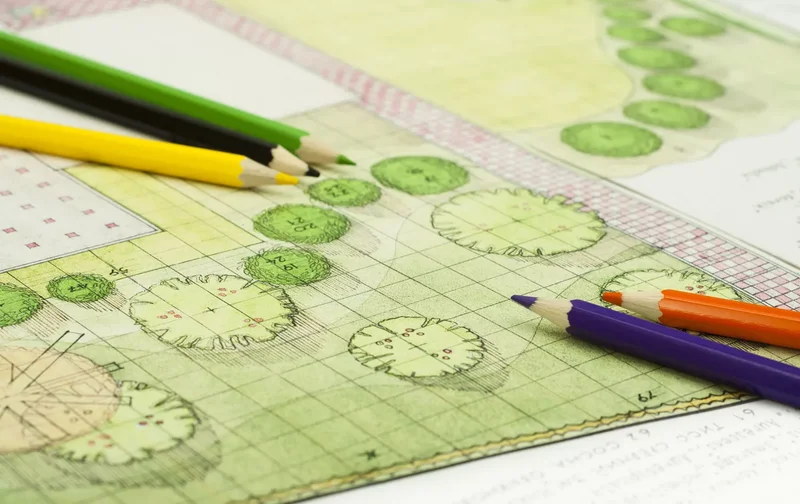
Winter’s quiet pace gives you time to thoughtfully plan your garden’s future.
Sketch new bed designs in a journal, browse seed catalogs for inspiration, and document what worked or failed last season. This planning time helps you make intentional decisions rather than impulse purchases when spring planting fever hits you hard.
19. Restore Garden Tools to Pristine Condition

Credit: The Spruce / Meg MacDonald
Your hardworking garden tools deserve some winter TLC after a tough growing season.
Soak rusty tools in distilled vinegar overnight, then scrub away remaining rust with steel wool until they shine. If you battled plant diseases last year, disinfect all tools with rubbing alcohol spray to prevent spreading problems next season.
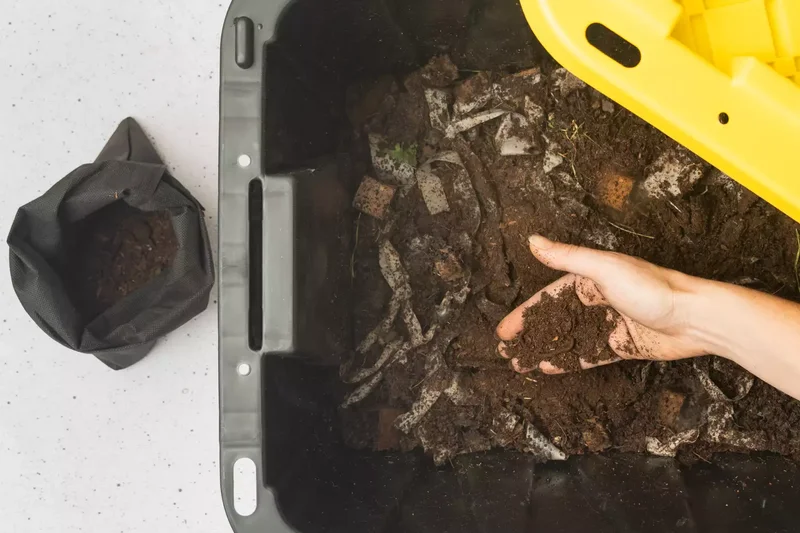
20. Build Your Own Worm Composting System
Credit: The Spruce / Meg MacDonald
Worm composting lets you process kitchen scraps year-round in minimal space.
Create a simple bin using an opaque plastic storage tote and a hand drill for ventilation holes. Fill it halfway with moistened coconut coir or shredded newspaper, add your composting worms, and you’ll have nutrient-rich castings for your garden in months.
21. Appreciate Winter Garden Beauty

Credit: The Spruce / Loren Probish
Your winter garden can be stunning with plants that offer colorful berries, interesting bark, or architectural dried seedheads.
Research winter interest plants like winterberry, red osier dogwood, or English holly to add next spring. These beauties provide food for wildlife while creating a gorgeous sensory garden that looks amazing against fresh snow.
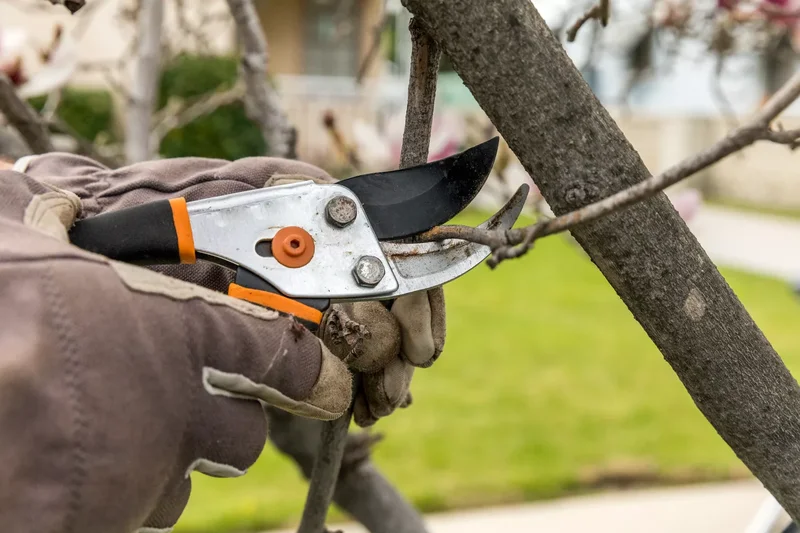
22. Prune Trees During Dormancy
Credit: The Spruce / Jayme Burrows
Late winter is actually the ideal time to prune most trees while they’re dormant.
Shape fruit trees, evergreens, and flowering trees that bloom on new wood without stressing the plants. Just avoid pruning spring bloomers like lilacs that flower on old wood, or you’ll accidentally remove all those gorgeous buds you’re waiting for.
Final Thoughts
Winter doesn’t mean your gardening journey has to hibernate until spring arrives.
These cold-weather projects keep you connected to your garden while preparing you for the busy growing season ahead.
Whether you’re crafting bee hotels, starting seeds indoors, or simply planning your dream garden layout, every winter project brings you closer to the thriving garden you’re envisioning.
